


 English
 русский
 Español
 中文简体
中文简体Content
The Science and Composition of Biodegradable Paper Packaging
Biodegradable paper boxes are engineered from organic fibers, primarily sourced from FSC-certified forests or recycled post-consumer waste. Unlike traditional cardboard that may be coated with polyethylene (a plastic film) to provide moisture resistance, true biodegradable options utilize aqueous coatings or PLA (polylactic acid) linings derived from fermented plant starch. This ensures that when the box reaches the end of its life cycle, microorganisms can break down the material into water, carbon dioxide, and biomass without leaving behind toxic microplastics. The structural integrity of these boxes is maintained through high-density mechanical pressing, allowing them to carry significant weight while remaining entirely compostable.
Key Material Components
- Kraft Pulp: Unbleached wood fibers that provide superior tensile strength.
- Soy-Based Inks: Pigments derived from soybeans that do not release Volatile Organic Compounds (VOCs).
- Cornstarch Adhesives: Natural glues that replace petroleum-based resins for seam bonding.
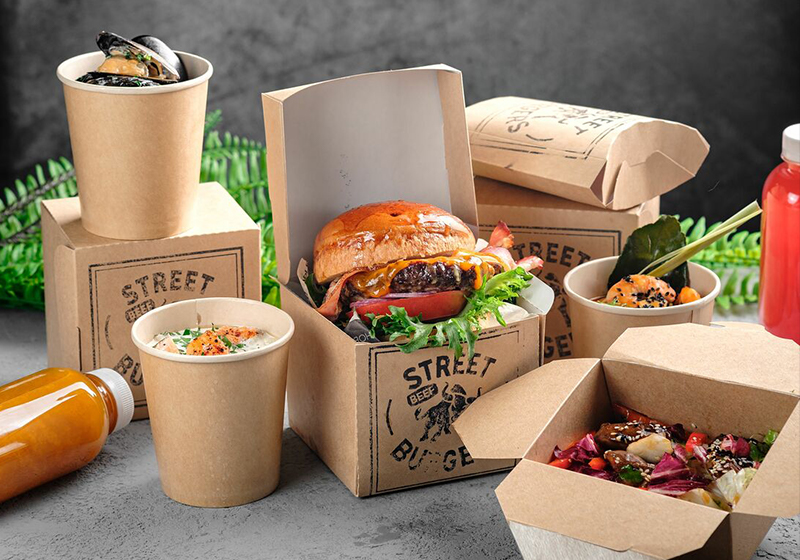
Practical Benefits for Retail and E-commerce
For businesses, transitioning to biodegradable paper boxes is no longer just a "green" statement; it is a strategic logistical move. These boxes are often lighter than their plastic-heavy counterparts, which can lead to measurable savings in shipping costs over time. Furthermore, the porous nature of high-quality paper allows for better breathability for certain goods, such as organic produce or handmade soaps, preventing the buildup of moisture that can lead to spoilage. The tactile "natural" feel of the material also creates a premium unboxing experience that resonates with the growing demographic of environmentally conscious consumers.
Performance Comparison Table
| Feature | Standard Plastic Box | Biodegradable Paper Box |
| Decomposition Time | 400+ Years | 90 - 180 Days |
| Carbon Footprint | High (Petroleum-based) | Low (Renewable-based) |
| Recyclability | Limited/Difficult | High/Simple |
Customization and Branding Opportunities
Modern printing technology has evolved to allow vibrant, high-definition designs directly on biodegradable substrates. Techniques such as embossing, debossing, and foil stamping (using biodegradable foils) allow brands to maintain a luxury aesthetic without compromising their sustainability goals. Because the base material of biodegradable paper is typically neutral or earthy in tone, it provides an excellent canvas for minimalist branding, which is currently a leading trend in global packaging design. This helps brands communicate transparency and authenticity the moment the package is delivered.
Design Considerations
- Minimalist Ink Usage: Reduces chemical load and highlights the raw texture of the paper.
- Die-Cut Windows: Eliminates the need for plastic windows while showcasing the product inside.
- Modular Inserts: Using folded paper inserts instead of foam to secure items during transit.
To maximize the environmental benefits of biodegradable paper boxes, end-users must be educated on proper disposal. While these boxes can be recycled with standard paper waste, they are specifically designed to be composted. If a box is contaminated with food oils—common in the takeaway industry—it cannot be recycled through traditional means, but it remains a perfect candidate for industrial composting facilities. By breaking down in a controlled environment, the paper returns nutrients to the soil, completing a circular economy loop that prevents landfill overflow and reduces methane emissions associated with anaerobic decomposition.