


 English
 русский
 Español
 中文简体
中文简体Content
- 1 What Exactly Are Biodegradable Paper Bowls?
- 2 Why More Businesses and Households Are Making the Switch
- 3 How Biodegradable Paper Bowls Compare to Other Materials
- 4 What to Look for When Buying Biodegradable Paper Bowls
- 5 Proper Disposal: How to Actually Compost These Bowls
- 6 Are Biodegradable Paper Bowls Worth the Extra Cost?
What Exactly Are Biodegradable Paper Bowls?
Biodegradable paper bowls are disposable food containers made primarily from plant-based fibers, such as wood pulp, bagasse (sugarcane fiber), or bamboo pulp. Unlike traditional paper bowls that are lined with a thin layer of plastic (usually polyethylene) to make them waterproof, true biodegradable paper bowls use plant-based linings like PLA (polylactic acid) or wax coatings derived from natural sources. This means the entire bowl, including the lining, can break down naturally over time instead of leaving behind microplastics or lingering in landfills for centuries.
The appeal of biodegradable paper bowls lies in their ability to combine convenience with environmental responsibility. They hold up well against soups, sauces, and greasy foods, while still decomposing under the right conditions. For restaurants, cafes, and households trying to cut down on plastic waste, these bowls offer a practical middle ground between disposable convenience and eco-conscious living.
Why More Businesses and Households Are Making the Switch
The shift toward biodegradable paper bowls isn't just a trend driven by marketing. It reflects growing awareness about the long-term cost of single-use plastics on oceans, soil, and wildlife. Restaurants and food delivery services in particular are under pressure from both customers and local regulations to reduce plastic packaging, and paper bowls offer a straightforward solution that doesn't require a complete overhaul of existing operations.
There are several concrete reasons people are choosing biodegradable paper bowls over conventional options:
- They reduce dependency on petroleum-based plastics, which take hundreds of years to break down.
- Many municipalities now offer composting programs that accept certified biodegradable paper products.
- Customers increasingly associate sustainable packaging with brand trustworthiness and quality.
- Some regions have banned or taxed single-use plastic containers, making paper alternatives a legal necessity rather than just a preference.
How Biodegradable Paper Bowls Compare to Other Materials
Choosing the right disposable bowl often comes down to comparing biodegradable paper against plastic, foam, and even bioplastic alternatives. Each material has trade-offs in terms of cost, durability, and environmental impact. The table below breaks down the key differences to help you decide which option fits your needs.
| Material | Decomposition Time | Heat Resistance | Cost Level |
| Biodegradable Paper Bowls | 2-6 months (composted) | Good | Moderate |
| Standard Plastic Bowls | 400+ years | Moderate | Low |
| Styrofoam Bowls | 500+ years | Low | Very Low |
| PLA Bioplastic Bowls | Industrial composting only | Low-Moderate | High |
What to Look for When Buying Biodegradable Paper Bowls
Not all products labeled "biodegradable" are created equal. Some manufacturers use the term loosely, and a bowl that technically breaks down over decades doesn't offer much practical benefit. To make sure you're getting a genuinely eco-friendly product, it helps to know what to check before buying in bulk.
Look for Certifications
Certifications like BPI (Biodegradable Products Institute) or compliance with ASTM D6400 standards indicate that a product has been independently tested to break down within a reasonable timeframe under composting conditions. Without these certifications, claims of biodegradability can be difficult to verify.
Check the Lining Material
Many cheaper paper bowls use a plastic lining that prevents them from truly composting, even if the outer layer is paper. Look for bowls specifically labeled as PLA-lined or wax-lined with plant-based coatings, since these are the versions that can safely go into a composting stream.
Consider Bowl Thickness and Size
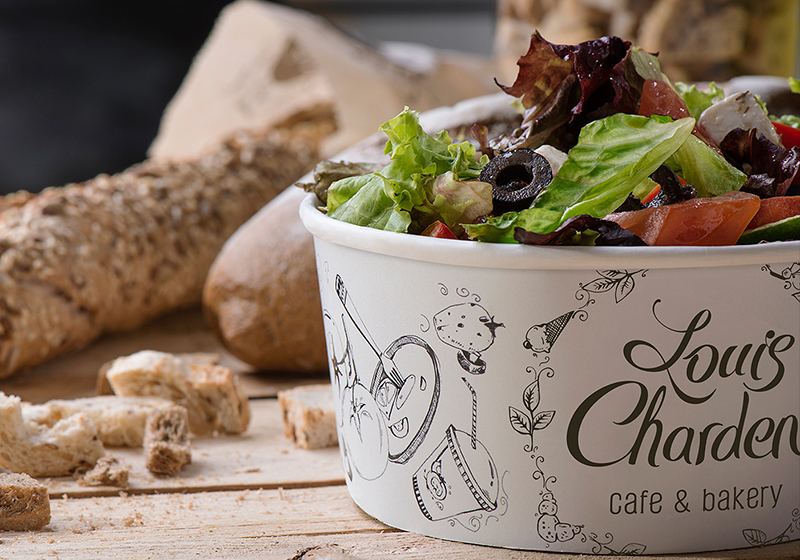
Thicker bowls tend to hold up better for hot soups or heavier meals, while thinner options are more suited for snacks, salads, or single servings. Buying a range of sizes can help match the bowl to the type of food being served, avoiding leaks or sogginess.
Proper Disposal: How to Actually Compost These Bowls
One common misconception is that biodegradable paper bowls will break down naturally if simply thrown into a backyard trash bin or regular landfill. In reality, most biodegradable materials require specific conditions, like the heat, moisture, and microbial activity found in industrial composting facilities, to decompose within the advertised timeframe. Left in a landfill without oxygen or proper conditions, even biodegradable products can take much longer to break down.
To get the full environmental benefit of biodegradable paper bowls, consider the following disposal steps:
- Check if your city offers curbside composting or a local drop-off site for compostable food packaging.
- Remove any non-biodegradable elements, like plastic lids or utensils, before composting the bowl.
- If backyard composting, tear the bowl into smaller pieces to speed up the breakdown process.
- Avoid composting bowls that are heavily soiled with grease or non-organic residue, as this can slow decomposition.
Are Biodegradable Paper Bowls Worth the Extra Cost?
Biodegradable paper bowls typically cost more than standard plastic or foam options, often by a margin of 10 to 30 percent depending on the supplier and order volume. For small businesses and individual households, this added cost can feel significant, especially when ordering in bulk. However, many find that the long-term benefits outweigh the price difference.
Beyond the environmental impact, businesses that switch to biodegradable paper bowls often see a positive shift in customer perception. Sustainable packaging has become a selling point in itself, particularly among younger consumers who actively seek out eco-conscious brands. For households, the cost difference is often minor when weighed against the peace of mind that comes from reducing plastic waste in everyday life.