


 English
 русский
 Español
 中文简体
中文简体Content
- 1 What Are Disposable Paper Boxes and Why They're So Popular
- 2 Common Types of Disposable Paper Boxes
- 3 Materials That Make These Boxes Practical and Sustainable
- 4 Key Benefits for Businesses Switching to Paper Packaging
- 5 How to Choose the Right Disposable Paper Box for Your Product
- 6 Best Practices for Storing and Handling Paper Boxes
- 7 Common Mistakes to Avoid When Using Paper Packaging
What Are Disposable Paper Boxes and Why They're So Popular
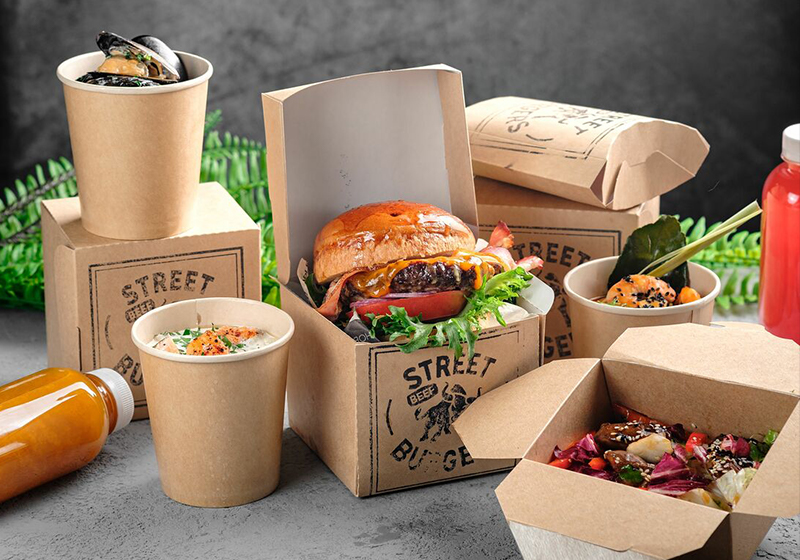
Disposable paper boxes are single-use packaging containers made from paperboard, kraft paper, or coated paper stock, designed for convenient food service, retail packaging, or takeout use. They're widely used because they're lightweight, easy to store flat before assembly, and can be produced at scale for a fraction of the cost of reusable or rigid packaging alternatives. From fast food restaurants to bakeries and retail shops, disposable paper boxes have become a go-to packaging solution for businesses that need practical, cost-effective containers.
Beyond convenience, the growing demand for disposable paper boxes is also tied to environmental concerns. As more consumers and businesses look to reduce plastic waste, paper-based packaging offers a biodegradable and often recyclable alternative that aligns with sustainability goals without sacrificing functionality.
Common Types of Disposable Paper Boxes
Disposable paper boxes come in many shapes and styles, each suited to different products and use cases. Understanding these options helps businesses choose packaging that fits their specific needs.
| Box Type | Common Use |
| Folding Cartons | Bakery items, cosmetics, retail products |
| Clamshell Paper Boxes | Takeout meals, sandwiches, salads |
| Kraft Paper Lunch Boxes | Fast food, picnic meals, catering |
| Pizza Boxes | Pizza delivery and takeout |
| Gift and Favor Boxes | Party favors, small retail gifts |
Choosing the right box style depends largely on what's being packaged, how it needs to be transported, and whether the box needs to hold hot, cold, or dry contents securely.
Materials That Make These Boxes Practical and Sustainable
The material used in disposable paper boxes affects durability, grease resistance, and overall environmental impact. Choosing the right material ensures the box performs well for its intended purpose.
Kraft Paperboard
Known for its natural brown color and sturdy texture, kraft paperboard is popular for eco-conscious brands and food packaging due to its strength and biodegradability.
Coated Paperboard
A thin poly or wax coating helps these boxes resist moisture and grease, making them ideal for packaging food items like burgers, fries, or baked goods.
Corrugated Paper
Slightly thicker and more rigid, corrugated paper boxes provide extra protection for items that need additional structural support during shipping or handling.
Key Benefits for Businesses Switching to Paper Packaging
Many businesses are shifting from plastic to disposable paper boxes for several compelling reasons that go beyond just environmental responsibility.
- Lower production costs compared to rigid plastic or reusable containers
- Lightweight design that reduces shipping and storage costs
- Easy customization with printing, branding, and logo placement
- Biodegradable and often recyclable, appealing to eco-conscious customers
- Flat-pack storage that saves valuable space before assembly
How to Choose the Right Disposable Paper Box for Your Product
Selecting the right paper box starts with understanding what you're packaging and how it will be used. For hot food items, look for grease-resistant or coated paperboard that won't become soggy or leak. For retail products, folding cartons with customizable printing options help reinforce branding while protecting the product during transport.
Consider the weight and size of your product as well. Heavier items may require thicker corrugated paper boxes for added support, while lightweight goods can use simpler paperboard designs to keep costs down. Don't forget to factor in whether the box needs to be stackable, since restaurants and retailers often store multiple units at once.
Best Practices for Storing and Handling Paper Boxes
Proper storage keeps disposable paper boxes in good condition and ready for use when needed. Store flat-packed boxes in a dry, climate-controlled area to prevent moisture damage, which can weaken the paperboard and make assembly difficult.
When handling assembled boxes filled with food or products, avoid overloading them beyond their weight capacity, as this can cause the bottom to give way or seams to split. Training staff on proper folding and assembly techniques also reduces waste from boxes that are damaged during setup.
Common Mistakes to Avoid When Using Paper Packaging
Even a well-designed disposable paper box can fail to perform if a few common mistakes aren't addressed during selection or use.
- Choosing uncoated paperboard for greasy or wet foods, leading to leaks
- Overloading boxes beyond their recommended weight capacity
- Storing flat-packed boxes in humid or damp environments
- Skipping proper assembly steps, resulting in weak seams or gaps
- Ignoring size specifications, leading to poor fit and product movement inside the box
By avoiding these mistakes, businesses can make the most of disposable paper boxes while delivering a reliable, presentable packaging experience to their customers.