


 English
 русский
 Español
 中文简体
中文简体Paper coffee cup sleeves are one of those products that seem simple until you actually need to order them at volume. Once you start comparing options, you quickly discover there are meaningful differences in material, construction, fit, print quality, and minimum order quantities that have real consequences for your customer experience, brand presentation, and per-unit cost. Whether you run a single café or manage procurement for a multi-location coffee chain, this guide gives you a thorough, practical breakdown of everything that matters when sourcing paper coffee cup sleeves.
Content
- 1 What Paper Coffee Cup Sleeves Actually Do
- 2 Paper Materials Used in Coffee Cup Sleeves
- 3 Cup Sleeve Sizing: Getting the Fit Right
- 4 Custom Printing on Coffee Cup Sleeves
- 5 Sustainability and Environmental Considerations
- 6 Comparing Sleeve Types Side by Side
- 7 Minimum Order Quantities and Pricing
- 8 What to Look for When Choosing a Cup Sleeve Supplier
- 9 The Bottom Line on Paper Coffee Cup Sleeves
What Paper Coffee Cup Sleeves Actually Do
At the most basic level, a coffee cup sleeve solves a thermal comfort problem. Hot beverages served in single-wall paper cups transfer heat directly to the hand — at temperatures above 70°C, this becomes uncomfortable within seconds and potentially painful. A paper sleeve creates an insulating air gap between the cup wall and the customer's hand, making a hot drink comfortable to hold without requiring a double-wall cup or a second cup nested inside the first.
But the functional role of a cup sleeve extends beyond heat protection. For coffee businesses, the sleeve is one of the most valuable pieces of branded real estate in the entire transaction — it is held in the customer's hand for the duration of their drink, often photographed and shared, and seen by anyone nearby. A well-designed, well-printed custom coffee sleeve communicates brand quality in a way that an unbranded sleeve, however functional, does not. This dual role — thermal protection and brand vehicle — is what makes sleeve selection worth thinking through carefully.
Cup sleeves also have a material cost advantage over double-wall cups. A single-wall cup plus a kraft paper sleeve typically costs less per unit than an equivalent double-wall cup, while providing comparable hand insulation and superior branding surface area. For high-volume operations, this cost difference adds up meaningfully over a year's supply.
Paper Materials Used in Coffee Cup Sleeves
The paper substrate used in a cup sleeve determines its insulation performance, print quality, feel in the hand, and environmental profile. Most paper coffee cup sleeves are made from one of three base materials:
Kraft Paper
Kraft paper is the most widely used material for coffee cup sleeves, and for good reason. It is made from wood pulp processed using the kraft method, which preserves the long cellulose fibers that give the paper its characteristic strength and tear resistance. Natural kraft paper has a brown, slightly textured surface that has become visually associated with artisan and specialty coffee culture — many independent cafés prefer unbleached kraft sleeves precisely because they communicate a handcrafted, sustainable aesthetic without any printing at all.
For printing, kraft paper accepts flexographic and offset printing well, though the natural brown color of the substrate affects ink colors — lighter colors and pastels read differently on kraft than on white paper, and very light ink colors may not be visible at all. Most printed kraft sleeves work with darker ink palettes or use the natural color as a design element. Kraft paper sleeves are available in weights typically ranging from 200 to 350 gsm, with heavier weights providing better insulation and a more substantial feel.
White or Bleached Paper
White paper sleeves use bleached pulp to produce a clean white surface that provides the most accurate and vibrant base for full-color printing. If your brand uses a specific color palette that needs to reproduce accurately — including light colors, gradients, or photographic imagery — white paper is the correct substrate. The print area on a white sleeve behaves like any other white printing surface, giving designers full control over color reproduction.
White sleeves are common in chain coffee environments, hospitality settings, and any brand where consistent color reproduction across printed materials is a priority. The trade-off is perception: white sleeves do not carry the same craft-coffee aesthetic as natural kraft, and in some market segments this matters to customers. Bleached paper also raises more questions about chemical processing compared to unbleached alternatives, though this varies significantly by manufacturer and certification.
Recycled and Corrugated Paper
Some cup sleeves are manufactured from recycled paper content — either post-consumer recycled fiber, post-industrial recycled fiber, or a blend of both with virgin pulp. Recycled content sleeves are indistinguishable in function from virgin fiber sleeves and are increasingly available with certification from bodies such as the Forest Stewardship Council (FSC) or the Sustainable Forestry Initiative (SFI). For businesses with sustainability procurement policies or customers who value environmental credentials, specifying recycled content or certified paper is a meaningful differentiator.
Corrugated paper sleeves — sometimes called ripple sleeves — use a fluted or corrugated paper construction that provides substantially better insulation than a flat paper sleeve of similar weight. The air trapped in the corrugations acts as additional thermal insulation, making corrugated sleeves particularly effective for very hot drinks and for customers who hold their cup for extended periods. Corrugated sleeves are slightly bulkier than flat sleeves and may not fit as cleanly in certain sleeve dispensers, but their insulation performance is noticeably superior.
Cup Sleeve Sizing: Getting the Fit Right
A sleeve that does not fit correctly is worse than no sleeve at all. A sleeve that is too loose slides, rotates, and falls off; one that is too tight is difficult to apply quickly in a high-volume service environment and may buckle. Getting the size right requires understanding how cup sleeves are dimensioned and how those dimensions relate to the cups you use.
Paper coffee cup sleeves are sized to fit cups by volume — the sleeve diameter is designed to match the exterior taper of cups in a specific volume range. However, cup dimensions are not fully standardized across manufacturers, and a sleeve sized for one brand's 12oz cup may fit differently on another brand's 12oz cup. The key dimension to verify is the mid-point circumference of the cup at the point where the sleeve sits — typically about one-third of the way up from the base.
| Cup Size | Typical Volume Range | Sleeve Fit Notes |
| Small | 8oz (236ml) | Narrower sleeve; verify cup brand compatibility |
| Medium | 10–12oz (296–355ml) | Most common sleeve size; widest product availability |
| Large | 14–16oz (414–473ml) | Wider sleeve; check sleeve height covers grip area |
| Extra Large | 20–24oz (591–710ml) | Less standard; often requires custom sizing |
Before placing a large order, always request physical samples of the sleeve and test fit them on your actual cups under real service conditions — with hot liquid in the cup and staff applying sleeves at speed. A sleeve that fits perfectly in a calm test may prove difficult to apply quickly during a morning rush. The sleeve should slide on smoothly with one hand and stay securely in place without gripping.
Custom Printing on Coffee Cup Sleeves
Custom-printed coffee sleeves are one of the most cost-effective brand touchpoints available to a coffee business. The printable area on a standard sleeve is typically 80–120cm² depending on the sleeve size — enough for a logo, brand name, tagline, social media handles, and design elements. Here is what you need to know about printing options:
Flexographic Printing
Flexographic printing — flex printing — is the standard process for high-volume custom coffee sleeve production. It uses flexible relief plates inked by an anilox roller to transfer ink directly to the paper substrate at high speed. Flexo printing is well-suited to the kraft and recycled paper substrates commonly used for sleeves, and it produces consistent, durable results at costs that are competitive at volumes of 5,000 units and above. Color accuracy on natural kraft paper requires color adjustment to account for the substrate, and very fine detail or thin lines may not reproduce as sharply as on white paper. Most manufacturers offer one to four color flexo printing as standard, with additional colors increasing plate costs.
Offset Printing
Offset lithographic printing produces higher image quality than flexo — sharper detail, more accurate color reproduction, and better performance on light or pastel colors. It is used for premium custom coffee sleeve orders where brand presentation requirements are exacting, or where the design includes fine details that flexo cannot resolve cleanly. Offset printing typically has higher setup costs than flexo but lower per-unit costs at very high volumes. For most independent cafés ordering in the 5,000–50,000 unit range, flexo is the more economical choice; at 100,000 units and above, the economics of offset become more competitive.
Digital Printing for Short Runs
Digital printing on cup sleeves has become increasingly viable for short runs — orders of 500 to 2,000 units — where the plate costs of flexo or offset make those processes uneconomical. Digital printing requires no plates, so setup cost is minimal, and it can produce full-color designs with photographic quality on compatible substrates. The per-unit cost is higher than flexo or offset at equivalent volumes, but for seasonal promotions, limited-edition designs, or new café launches where only a short run is needed, digital printing is the practical option. Not all sleeve manufacturers offer digital printing — it is worth identifying a supplier who does if short-run flexibility is important to your operation.
Design Considerations for Sleeve Printing
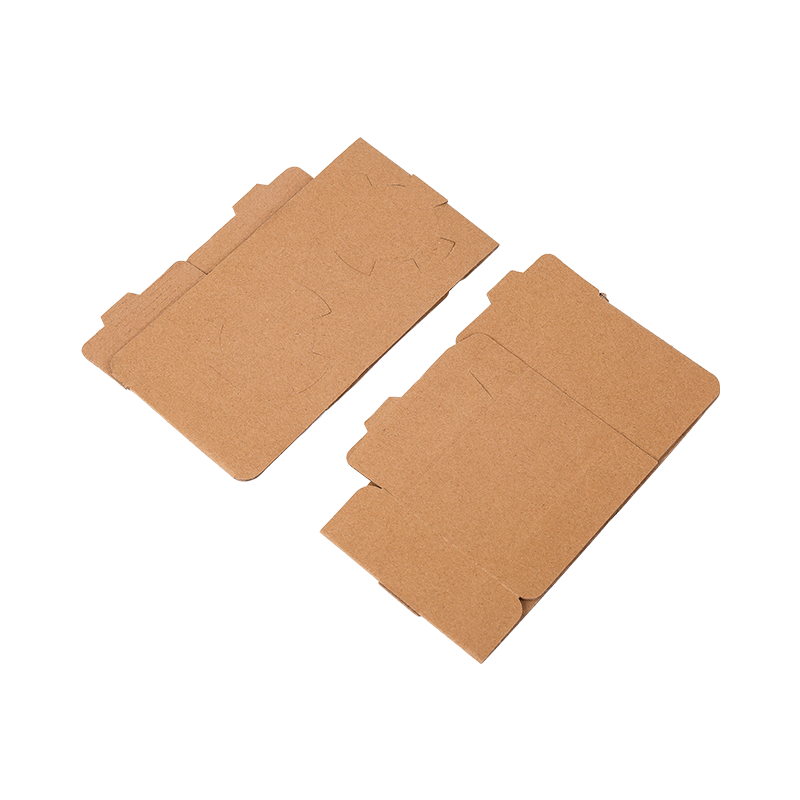
Designing for a cup sleeve has specific constraints that differ from flat print media. The sleeve is a truncated cone shape when in use, which means the design wraps around a curved, tapered surface. Straight horizontal lines printed on the flat sleeve blank will appear to curve slightly when the sleeve is assembled. Text should be sized for readability at arm's length — most customers will read the sleeve while holding it, not examining it closely — and logos should be positioned toward the center of the sleeve height where they are most visible when held.
Sustainability and Environmental Considerations
Coffee cup sleeves have a better environmental profile than most disposable packaging items, but sustainability claims in this category require scrutiny. Here is a practical breakdown of the key considerations:
- Recyclability: Plain paper cup sleeves without plastic coating are recyclable through standard paper recycling streams in most markets. Unlike single-use coffee cups themselves — which typically have a polyethylene lining that complicates recycling — paper sleeves are usually straightforward to recycle. Verify that the sleeves you source do not have any plastic lamination or coating that would prevent paper recycling.
- Compostability: Uncoated paper sleeves are typically home and industrially compostable. If compostability certification is important for your brand's environmental claims, look for sleeves certified to EN 13432 (European standard) or ASTM D6400 (US standard). Be cautious about uncertified compostability claims — the presence of certain inks, adhesives, or coatings can prevent a sleeve from meeting compostability standards even if the base paper would compost on its own.
- Recycled content: Specifying sleeves made with post-consumer recycled (PCR) fiber reduces demand for virgin wood pulp. Many manufacturers offer sleeves with 80–100% recycled content that perform identically to virgin fiber products. FSC certification on the paper source provides independent verification that virgin fiber, where used, comes from responsibly managed forests.
- Ink type: Soy-based or water-based inks have a lower VOC profile than solvent-based inks and are generally compatible with paper recycling and composting. If environmental certification matters for your supply chain, confirm the ink type with your sleeve supplier.
- Adhesive: Cup sleeves are typically assembled using a small amount of adhesive at the overlap joint. Water-based adhesives are preferable for recyclability and compostability; hot-melt adhesives may interfere with recycling in some facilities. This is a detail that most buyers overlook but that matters if you are making formal sustainability claims about your packaging.
Comparing Sleeve Types Side by Side
To make the selection process clearer, here is a direct comparison of the main paper coffee cup sleeve types across the factors that matter most in a purchasing decision:
| Sleeve Type | Insulation | Print Quality | Aesthetic | Eco Profile | Relative Cost |
| Flat Kraft Paper | Good | Good (dark inks) | Artisan / craft | Excellent | Low |
| Flat White Paper | Good | Excellent (full color) | Clean / commercial | Good | Low–Medium |
| Corrugated / Ripple | Very Good | Good (outer surface) | Premium / tactile | Good | Medium–High |
| Recycled Content | Good | Good | Sustainable / natural | Excellent | Low–Medium |
Minimum Order Quantities and Pricing
Pricing for paper coffee cup sleeves is heavily volume-dependent, and minimum order quantities (MOQs) vary significantly between suppliers. Understanding the cost structure helps you plan your procurement correctly and avoid paying retail prices for what should be a wholesale product.
- Unbranded stock sleeves: Available from packaging distributors with no MOQ or low MOQs of 100–500 units. Per-unit cost ranges from $0.03 to $0.08 depending on quantity and sleeve type. Suitable for cafés that do not prioritize branded packaging or that are in early stages of operation.
- Custom-printed sleeves, short run (500–2,000 units): Digital printing makes short-run custom sleeves feasible. Per-unit cost typically ranges from $0.12 to $0.25 including printing. Suitable for new café openings, seasonal designs, or testing a new brand identity before committing to a large order.
- Custom-printed sleeves, medium run (5,000–25,000 units): Flexographic printing becomes economical at this volume. Per-unit cost typically falls to $0.06 to $0.12 including printing. This is the sweet spot for most independent cafés and small chains ordering custom sleeves.
- Custom-printed sleeves, high volume (50,000+ units): Per-unit costs drop to $0.03 to $0.07 at high volumes when sourcing directly from a manufacturer. For multi-location operations or chains, direct manufacturer sourcing at this scale produces substantial annual savings compared to distributor pricing.
Note that plate or setup charges for custom printing are typically a one-time cost per design — once plates are made, reorders of the same design incur only the per-unit production cost. Factoring setup charges into the total cost of your first order is important for accurate cost comparison between suppliers.
What to Look for When Choosing a Cup Sleeve Supplier
The sleeve itself is only part of the equation — the supplier relationship determines whether you receive consistent quality, reliable delivery, and responsive support when things do not go to plan. Here is what to evaluate when selecting a paper cup sleeve supplier:
- Sample availability before ordering: Any reputable supplier should be able to provide physical samples — ideally printed samples if you are ordering custom sleeves — before you commit to a production order. Testing fit on your actual cups and evaluating print quality in person is non-negotiable for a first order with a new supplier.
- Food safety compliance: Cup sleeves are in direct contact with food packaging. Confirm that the paper and inks used are food-safe and comply with relevant regulations in your market — FDA standards in the US, EU Regulation 10/2011 for food contact materials in Europe. Ask for documentation rather than accepting verbal assurances.
- Lead time and inventory reliability: Custom sleeve production typically requires four to eight weeks from artwork approval to delivery, depending on the supplier and order volume. For your ongoing supply, understand the supplier's stock availability, reorder lead times, and minimum reorder quantities so you can plan inventory without running out during a busy period.
- Artwork and prepress support: Good sleeve suppliers provide artwork templates, prepress proofing, and feedback on design feasibility before going to production. If a supplier will print whatever file you send without reviewing it for print quality, that is a red flag — you are likely to receive a result that does not match your expectations.
- Direct manufacturer vs. distributor: Sourcing directly from a sleeve manufacturer typically provides better pricing, more specification control, and faster resolution of quality issues. Distributors add a markup but may offer lower MOQs and stock availability that suits smaller operations. For businesses ordering above 10,000 units per year, evaluating direct manufacturer options is almost always worth the time.
- Sustainability certifications: If environmental credentials matter to your brand, verify that the supplier holds the certifications relevant to your claims — FSC chain of custody for the paper, EN 13432 or ASTM D6400 for compostability, or specific recycled content verification. Certifications should be current and verifiable, not just marketing statements.
The Bottom Line on Paper Coffee Cup Sleeves
Paper coffee cup sleeves are a small product with a meaningful impact on customer experience, brand perception, and operational cost. The right sleeve keeps drinks comfortable to hold, presents your brand every time a customer picks up their cup, and does both at a cost per unit that is well within reach for any coffee operation — from a single-location independent to a national chain.
The practical decisions that matter most are material and print substrate selection, getting the size right for your cups before ordering at volume, choosing the print process that matches your order quantity and quality requirements, and selecting a supplier who can demonstrate food safety compliance and provide samples before production. Get those decisions right, and a paper coffee cup sleeve becomes one of the most efficient investments in your brand's physical presence.