


 English
 русский
 Español
 中文简体
中文简体Content
- 1 Why Disposable Coffee Cups Still Matter in a Reusable World
- 2 The Main Types of Disposable Coffee Cups Explained
- 3 Common Sizes and What They're Best Used For
- 4 How to Choose the Right Disposable Coffee Cup for Your Needs
- 5 Disposable Coffee Cup Lids: What to Know Before You Buy
- 6
- 7 The Environmental Reality of Single-Use Coffee Cups
- 8 Comparing Disposable Coffee Cup Materials at a Glance
- 9 Buying Disposable Coffee Cups in Bulk: Tips to Get the Best Deal
- 10 Using Disposable Coffee Cups at Events and in Office Settings
- 11 Final Thoughts: Picking the Right Disposable Coffee Cup Is Easier Than You Think
Why Disposable Coffee Cups Still Matter in a Reusable World
Despite the growing push toward reusable drinkware, disposable coffee cups remain one of the most widely used food service items on the planet. Billions are used every year across coffee shops, offices, hospitals, events, and quick-service restaurants. They're fast, sanitary, require no washing, and work seamlessly in high-volume settings where convenience is non-negotiable. For businesses serving hundreds of customers a day, or event organizers managing large crowds, disposable coffee cups aren't just practical — they're essential to keeping operations running smoothly.
But not all disposable coffee cups are the same. The market has evolved dramatically over the past decade, with new materials, insulation technologies, and environmentally conscious designs entering the space. Whether you're stocking a café, outfitting a corporate break room, or planning a catered event, understanding the differences between cup types can save you money, reduce complaints about burned hands, and help align your choices with your sustainability values.
The Main Types of Disposable Coffee Cups Explained
Disposable hot coffee cups come in several distinct constructions, each suited to different use cases. Choosing the wrong type can result in heat transfer issues, structural failure, or unnecessary cost. Here's what you need to know about each category:
Single-Wall Paper Cups
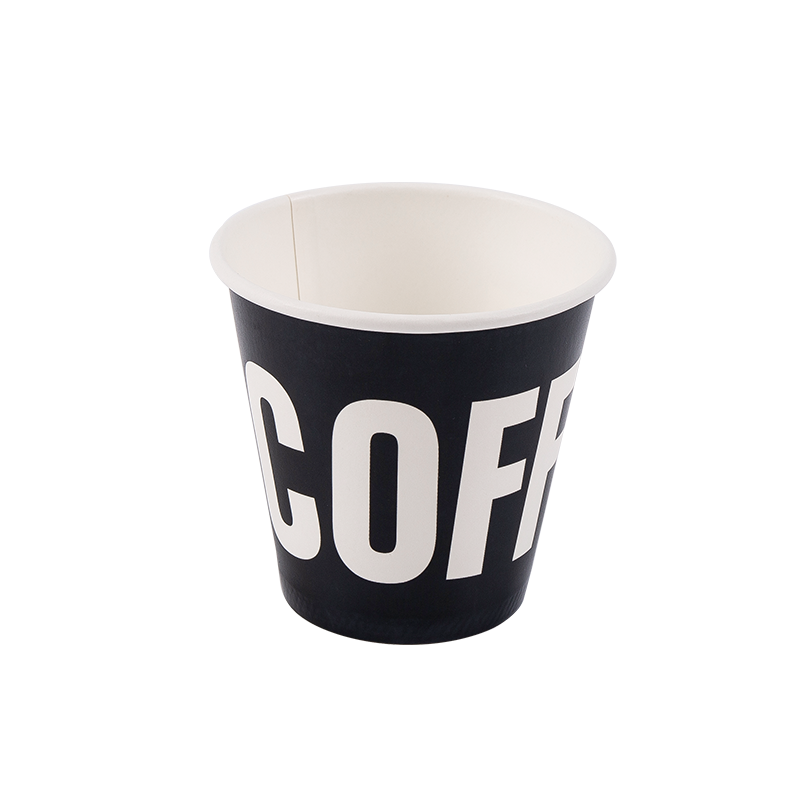
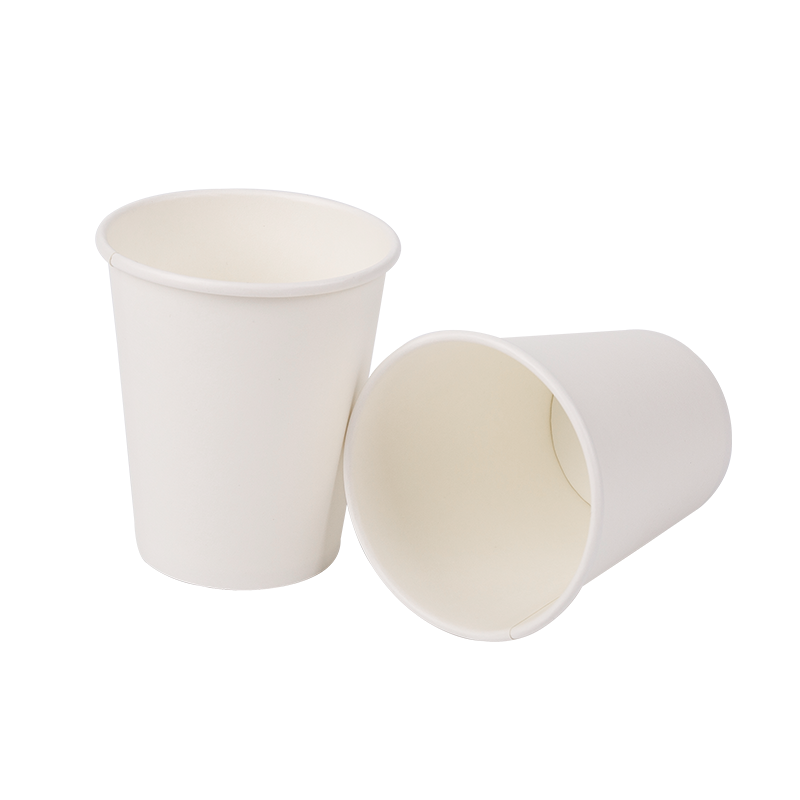
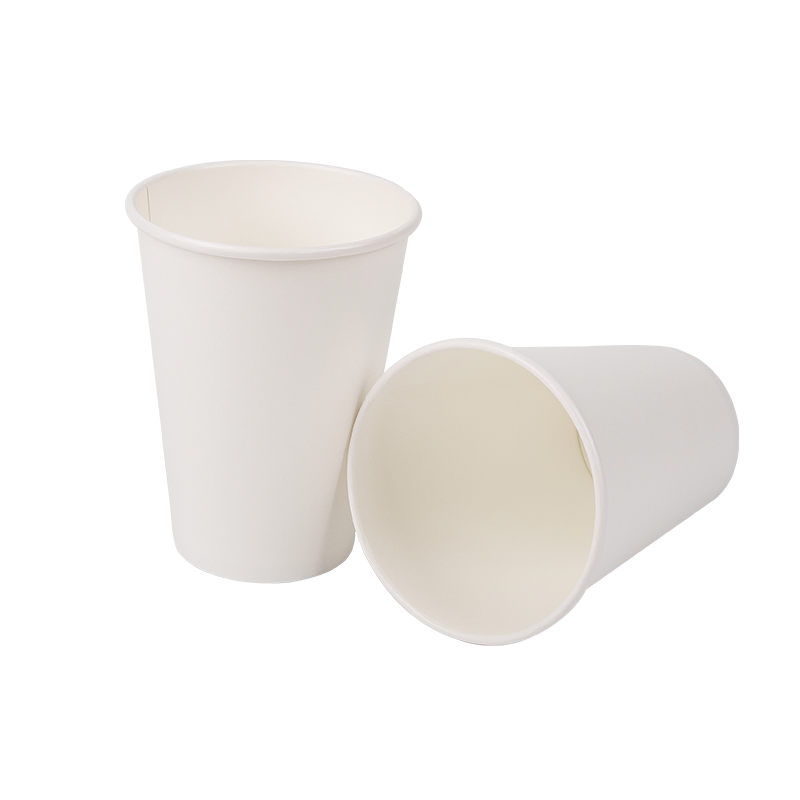
The most basic and widely produced disposable coffee cup, single-wall paper cups are made from a single layer of paperboard lined with a thin polyethylene (PE) coating on the inside. The PE lining prevents liquid from soaking through the paper and makes the cup structurally sound when holding hot beverages. These cups are inexpensive, widely available in sizes from 4 oz to 20 oz, and work fine for short-term use. The main drawback is that the outer wall gets hot quickly, which is why they're almost always paired with a corrugated cardboard sleeve or a separate insulating holder when serving coffee at high temperatures.
Double-Wall Paper Cups
Double-wall cups are constructed with two layers of paperboard separated by a small air gap, which acts as insulation. This design keeps the outer surface significantly cooler to the touch, eliminating the need for a separate cup sleeve in most cases. They cost more per unit than single-wall cups — typically 20 to 40 percent more — but that cost difference is often offset by not needing to purchase sleeves separately. Double-wall paper cups are a popular choice for specialty coffee shops where the customer experience matters and baristas don't want to fumble with separate sleeves during a busy rush.
Ripple-Wall (Triple Insulation) Cups
Ripple-wall cups feature a corrugated middle layer sandwiched between two smooth paper layers, providing even greater insulation than standard double-wall designs. The wavy texture also makes them easier to hold comfortably. These cups are frequently used by premium coffee brands and upscale cafés because they look distinctive and perform exceptionally well at keeping both the drink hot and the customer's hand comfortable. They're the priciest of the paper cup options but deliver a noticeably higher-end feel.
Foam (EPS) Coffee Cups
Expanded polystyrene (EPS) foam cups have been used for decades and are still found in many diners, gas stations, and convenience stores. Foam is an excellent insulator — it keeps hot drinks hot and cold drinks cold for longer than paper — and it's cheap to produce. However, EPS foam is difficult to recycle, doesn't biodegrade, and has been banned outright in several cities and states across the U.S. due to environmental concerns. While they remain in use, many businesses are actively moving away from foam cups in favor of paper or compostable alternatives.
Compostable and Plant-Based Cups
Compostable coffee cups look and feel similar to standard paper cups but use a plant-based lining — typically made from PLA (polylactic acid), derived from cornstarch — instead of the traditional PE plastic coating. They're designed to break down in industrial composting facilities within a specific timeframe, usually 90 to 180 days under the right conditions. It's important to note that "compostable" does not mean they'll break down in a home compost bin or landfill — industrial composting is required. Despite this limitation, they're a meaningful step up from conventional plastic-lined cups for businesses committed to reducing their environmental footprint.
Common Sizes and What They're Best Used For
Disposable coffee cups come in a range of standard sizes, each corresponding to typical coffee drink volumes. Stocking the right sizes prevents waste and ensures customers get their drinks in appropriately sized cups:
| Cup Size | Volume | Best For | Typical Use Case |
| Espresso | 2–4 oz | Single/double espresso shots | Specialty cafés, espresso bars |
| Small | 8 oz | Short coffees, cappuccinos | Coffee shops, offices |
| Medium | 12 oz | Lattes, flat whites, drip coffee | Most popular size across all venues |
| Large | 16 oz | Large lattes, Americanos, drip coffee | Drive-throughs, quick service |
| Extra Large | 20–24 oz | Extra-large drinks, events | Convenience stores, catered events |
For most cafés and offices, stocking 8 oz, 12 oz, and 16 oz covers the vast majority of orders. Events and large-format setups may additionally want 20 oz or 24 oz cups on hand, particularly if serving drip coffee from large urns where customers self-serve.
How to Choose the Right Disposable Coffee Cup for Your Needs
With so many options available, narrowing down the right disposable cup for your situation comes down to a few key factors. Going through each one systematically will help you avoid buying cups that don't perform well in your specific setting:
Volume and Throughput
High-volume operations — think busy coffee chains or stadium concession stands — prioritize cost-per-unit above almost everything else. For these settings, single-wall paper cups with separate sleeves are usually the most economical choice. Lower-volume settings with more emphasis on customer experience can justify the added cost of double-wall or ripple cups, which eliminate the need for sleeves and feel more premium in the hand.
Heat Retention and Handling Comfort
If your coffee drinks are typically served very hot and customers are walking or commuting with them, insulation becomes a priority. Double-wall cups are the minimum recommendation for any drink served above 160°F. Ripple-wall cups offer even better performance for extremely hot beverages. Single-wall cups are only appropriate when paired with a sleeve or when the drink will be consumed quickly in a seated setting.
Lid Compatibility
Not all lids fit all cups. The diameter of the cup's rim determines which lids will seal properly, and cup sizes across different brands don't always standardize around the same rim diameter. Before committing to a large order of cups, confirm that your existing lids are compatible — or order lids and cups together from the same supplier to guarantee a proper fit. A loose lid on a hot coffee cup is a liability and a burn hazard.
Branding and Customization
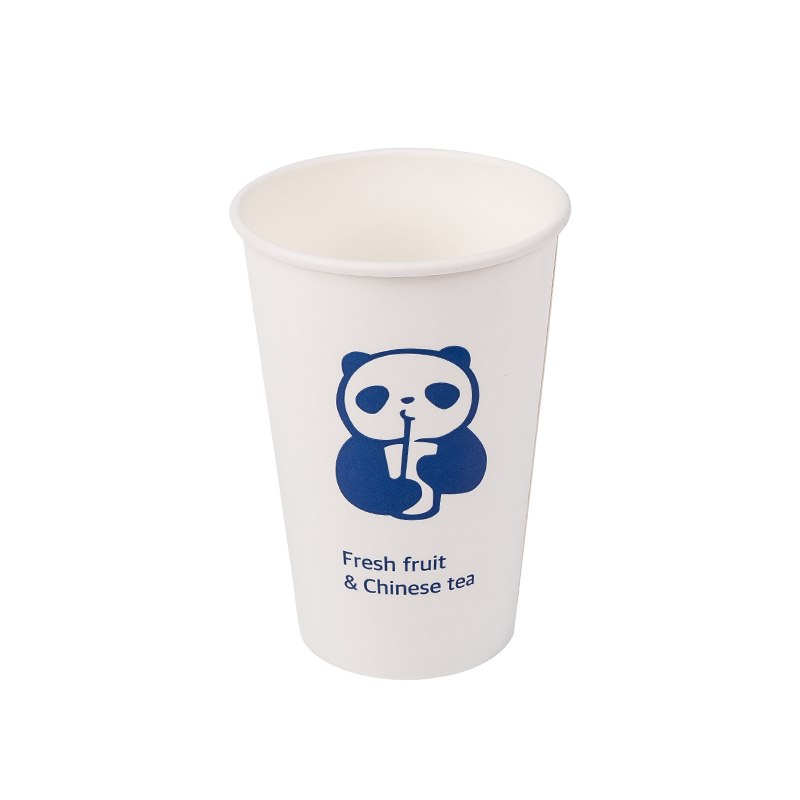
Many cup manufacturers offer custom printing for orders above a minimum quantity — typically 1,000 to 5,000 units depending on the supplier. Custom-printed disposable paper coffee cups with your logo, brand colors, or messaging are a powerful marketing tool. Every cup that leaves your café and is carried around by a customer is essentially a mobile advertisement. For growing coffee businesses, the investment in branded cups pays for itself quickly in brand visibility.
Disposable Coffee Cup Lids: What to Know Before You Buy
Lids are just as important as the cups themselves and are often purchased separately. The type of lid you choose affects leakage prevention, sip experience, and how well the drink stays hot during transit. Here are the main lid styles used with disposable hot coffee cups:
- Sip-hole lids: The most common style, featuring a small pre-formed opening or a tab the customer pushes back to create a sipping hole. These are standard in most coffee shops and provide a good seal around the rim.
- Flat lids: Designed for drinks that will be consumed immediately or are placed in a cup holder. Less spillage protection than sip-hole lids but lower profile and lighter.
- Strawless sip lids: A newer design that creates a recessed drinking area without requiring a straw or separate opening mechanism. Made popular by chains like Starbucks as an alternative to plastic straws.
- Dome lids: Usually reserved for cold drinks and blended beverages but occasionally used for whipped-cream topped hot drinks. These lids extend above the rim and are not suitable for standard drip coffee or lattes.
- Compostable lids: Made from PLA or other plant-based materials to match compostable cups. Important for maintaining consistency if your operation is committed to compostable serviceware throughout.

The Environmental Reality of Single-Use Coffee Cups
One of the most persistent misconceptions about disposable coffee cups is that they're recyclable simply because they're made of paper. The reality is more complicated. The vast majority of paper hot coffee cups are lined with a thin layer of polyethylene plastic that makes them waterproof — and also makes them extremely difficult to recycle using standard paper recycling processes. The paper fiber and the plastic lining must be separated, which requires specialized equipment that only a small number of recycling facilities have.
This means that even when a customer conscientiously places their disposable coffee cup in a recycling bin, it often ends up in a landfill anyway because the local recycling infrastructure can't process it. Some estimates suggest fewer than 1 in 400 paper coffee cups ever gets recycled. This has driven significant interest in alternative materials and designs:
- PLA-lined compostable cups replace the PE lining with a plant-based alternative that breaks down under industrial composting conditions. However, they require access to an industrial composting facility to realize their environmental benefit.
- Aqueous-coated cups use a water-based coating instead of PE plastic, making them more compatible with standard paper recycling streams at select facilities.
- Uncoated board cups are an emerging category for drinks that don't require a waterproof barrier over their entire service life, though these are still limited to niche applications.
- Cup return and take-back programs are being trialed by some large coffee chains, where customers return cups at the point of purchase for processing through specialized recycling channels.
For businesses genuinely committed to environmental responsibility, the most impactful step is understanding what composting or recycling infrastructure exists in your area before choosing a cup type. Buying compostable cups without local industrial composting access provides minimal real-world benefit compared to their added cost.
Comparing Disposable Coffee Cup Materials at a Glance
To make it easier to weigh your options, here's a side-by-side comparison of the most common disposable coffee cup materials across the factors that matter most for purchasing decisions:
| Material | Insulation | Recyclable? | Compostable? | Relative Cost |
| Single-wall paper (PE-lined) | Low | Rarely | No | $ (Lowest) |
| Double-wall paper | Medium | Rarely | No | $$ |
| Ripple-wall paper | High | Rarely | No | $$$ |
| EPS Foam | Very High | No | No | $ (Low) |
| PLA-lined compostable | Low–Medium | No | Yes (industrial) | $$$–$$$$ |
Buying Disposable Coffee Cups in Bulk: Tips to Get the Best Deal
For businesses that go through large quantities of disposable hot cups, buying in bulk is almost always the smarter financial decision. Here's how to approach bulk purchasing without ending up with a warehouse full of cups that don't work for your setup:
- Order samples before committing. Most wholesale suppliers will send sample cases before you place a large order. Test the cups with your actual drinks at your serving temperatures to confirm the insulation, lid fit, and structural integrity.
- Buy by the case, not by the sleeve. Per-unit pricing drops significantly when purchasing full cases (typically 500 to 1,000 cups per case) compared to smaller sleeve quantities sold at restaurant supply stores.
- Standardize your cup sizes. Carrying too many different sizes increases complexity and storage requirements. Most operations can cover 90% of their needs with two or three sizes.
- Factor in lid and sleeve costs. If choosing single-wall cups, the total cost per serving includes the sleeve — add that to your per-unit cup cost before comparing it against a double-wall option.
- Check for certifications. Look for cups certified by organizations like the Sustainable Forestry Initiative (SFI) or Forest Stewardship Council (FSC), which ensure the paperboard is sourced from responsibly managed forests.
- Consider local distributors. Large national suppliers like Sysco or US Foods offer competitive pricing, but local restaurant supply distributors can sometimes match pricing while offering faster turnaround and lower minimum orders.
Using Disposable Coffee Cups at Events and in Office Settings
Events and offices represent two very different use cases for disposable coffee cups, and the right approach differs accordingly.
Events and Catering
For events — whether a corporate breakfast, a wedding reception, or an outdoor festival — the priority is usually speed of service, aesthetics, and preventing spills. Double-wall cups work well in these settings because guests often walk around while drinking, and the insulation prevents discomfort. Ripple-wall cups with custom printing can also elevate the brand presentation of a corporate event significantly. For outdoor or casual events where wind and crowds are factors, a cup with a tight-fitting lid and a larger base (for cup holder compatibility) is a practical choice. Estimate roughly 1.5 to 2 cups per guest for events where coffee is a featured offering.
Office Break Rooms
Office settings typically see lower peak demand but more consistent daily use. Single-wall cups paired with a cup sleeve dispenser are a budget-friendly and practical solution for most break rooms. If sustainability is a company priority, compostable cups alongside a clear composting system can support environmental goals. For offices with bean-to-cup espresso machines that serve smaller shots and specialty drinks, stocking both 4 oz espresso cups and 12–16 oz cups is a smart combination. Purchasing through an office supply service that auto-replenishes based on usage data eliminates the hassle of manually tracking cup inventory.
Final Thoughts: Picking the Right Disposable Coffee Cup Is Easier Than You Think
At the end of the day, choosing the right disposable coffee cup doesn't require overthinking. Start by identifying your use case — high-volume café, office, event, or home backup — and then match the cup type to the demands of that setting. Consider insulation needs, budget per unit, lid compatibility, and any sustainability commitments your organization has made. Get samples before committing to bulk orders, and don't forget that lids and sleeves are part of the total cost equation.
The market for single-use hot cups has never been more varied, with options spanning from ultra-budget single-wall cups to certified compostable, custom-printed premium designs. Whatever your priorities, there's a disposable coffee cup solution that fits your operation — and now you have the knowledge to find it confidently.