


 English
 русский
 Español
 中文简体
中文简体Content
The Structural Advantages of the Rectangular Design
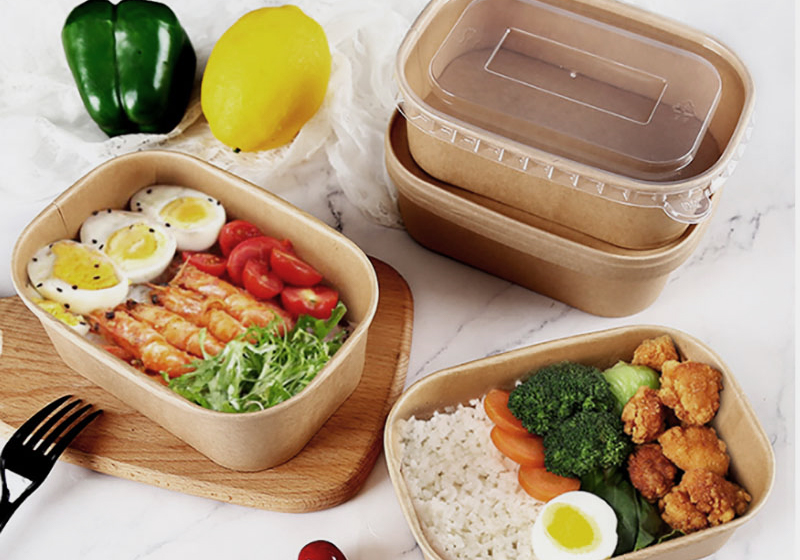
While round bowls have been the traditional choice for decades, the shift toward rectangular paper bowls is driven by superior spatial efficiency. In a commercial kitchen or a busy home refrigerator, rectangular shapes eliminate the "dead space" typically found between circular containers. This allows for tighter packing in delivery bags and storage shelves, significantly increasing the volume of food that can be transported or stored at once. Furthermore, the wider surface area of a rectangular bowl provides a better canvas for food presentation, allowing ingredients like sliced proteins, vibrant vegetables, and garnishes to be laid out side-by-side rather than piled on top of each other.
Eco-Friendly Material Composition and Decomposition
Biodegradable rectangular paper bowls are primarily crafted from renewable resources such as bamboo fiber, sugarcane bagasse, or recycled kraft paper. Unlike conventional plastic-lined containers, these bowls utilize water-based or PLA (polylactic acid) coatings to ensure grease and moisture resistance without compromising compostability. Under industrial composting conditions, these materials break down into organic matter within 60 to 90 days, returning nutrients to the soil instead of contributing to the growing microplastic crisis in our oceans and landfills.
Key Material Features
- PFAS-free construction to ensure food safety and chemical-free composting.
- High heat tolerance, making them suitable for both microwave reheating and hot food service.
- Natural aesthetic finishes that appeal to eco-conscious consumers.
Comparing Performance: Paper vs. Plastic vs. Styrofoam
When evaluating food packaging, it is essential to consider durability alongside environmental impact. Modern biodegradable paper bowls are engineered with reinforced rims and multi-layer construction to prevent sagging or leaking, even when holding heavy, sauce-based dishes. The following table highlights the performance metrics of rectangular paper bowls compared to traditional alternatives.
| Feature | Biodegradable Paper | Plastic (PET/PP) | Styrofoam |
| Decomposition Time | 3-6 Months | 450+ Years | 500+ Years |
| Microwave Safe | Yes (Most types) | Limited | No |
| Carbon Footprint | Low | High | Very High |
| Space Efficiency | Excellent (Rectangular) | High | Low |
Practical Applications in Food Service and Catering
The versatility of the rectangular paper bowl makes it an ideal solution for a variety of culinary styles. In the fast-casual sector, these bowls are frequently used for "build-your-own" protein bowls, poke, and gourmet salads. Their sturdy nature allows for heavy lids—often made from matching compostable paper or clear recyclable plastic—to be snapped on securely, ensuring that transit vibrations do not cause spills. For catering companies, the stackability of these bowls simplifies the logistics of transporting hundreds of meals to event venues, while the eco-friendly label helps businesses meet their corporate social responsibility goals.
Best Practices for Storage and Disposal
- Store in a cool, dry place to maintain the structural integrity of the natural fibers.
- Encourage customers to scrape off excess food waste before placing the bowl in a compost bin.
- Verify local municipal composting guidelines to ensure the bowls are processed correctly.
By choosing biodegradable rectangular paper bowls, businesses and consumers alike contribute to a circular economy. These containers offer a rare combination of practical utility, aesthetic appeal, and environmental stewardship, proving that sustainability does not have to come at the expense of convenience or performance.