


 English
 русский
 Español
 中文简体
中文简体Content
The Convenience of Disposable Soup Bowls
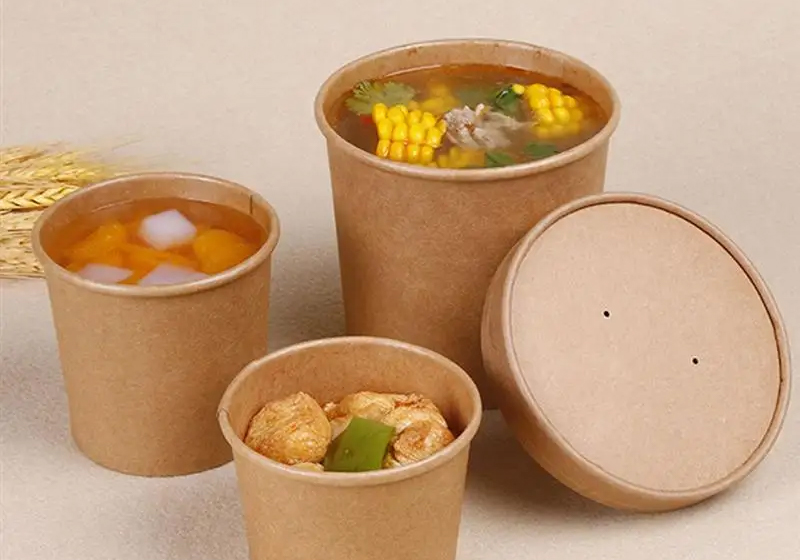
When you are hosting a large gathering, running a food truck, or simply organizing a busy family dinner, the last thing you want to deal with is a massive pile of dishes. Paper soup bowls offer a highly practical solution to this everyday problem. Unlike flimsy plastic alternatives that can melt or bend under high heat, high-quality paper bowls are specifically engineered to hold piping hot liquids safely. They provide the perfect vessel for everything from a rich, creamy clam chowder to a spicy, boiling chili, allowing you to serve hearty meals without the dread of cleanup.
What Makes a Great Paper Bowl for Hot Liquids?
Not all paper containers are created equal, especially when it comes to holding hot and heavy foods. A premium paper soup bowl is typically constructed from thick, food-grade kraft paper or heavily compressed paperboard. This thick outer layer acts as an excellent insulator, keeping the soup hot while protecting the hands of the person holding it. However, the real magic happens on the inside of the bowl.
Understanding the Inner Lining
To prevent the hot broth from soaking through the paperboard, these bowls feature a specialized inner lining. Traditionally, a thin layer of polyethylene (PE) is used to create a leak-proof barrier. Today, many eco-conscious manufacturers use polylactic acid (PLA), a plant-based bioplastic that is fully compostable. This lining is what ensures your disposable soup bowls remain sturdy and intact, even if the food sits in them for an extended period of time.
Key Benefits of Switching to Paper Options
Making the switch from traditional plastic or styrofoam containers to paper-based alternatives comes with several distinct advantages for both consumers and business owners.
- Exceptional Versatility: Despite the name, these containers are perfect for serving cold items like ice cream, pasta salads, or fresh fruit cups alongside your hot meals.
- Eco-Friendly Footprint: Opting for bowls with a PLA lining or those made from recycled kraft paper significantly reduces landfill waste and appeals to environmentally conscious guests.
- Space-Saving Storage: Paper bowls for soup are designed to stack tightly together, taking up minimal shelf space in your pantry or commercial kitchen.
- Customizable Branding: For businesses, the matte paper exterior is a blank canvas that easily accepts custom stamps, stickers, or printed logos for brand awareness.
Comparing Common Soup Bowl Sizes
Selecting the right size is crucial for portion control and customer satisfaction. The table below outlines the most common sizes available on the market and their best use cases.
| Bowl Capacity | Ideal Food Types | Best Setting |
| 8 Ounces | Appetizer soups, side salads, dips, and small ice cream scoops. | Catering events, kids' parties, and food sampling. |
| 12 Ounces | Standard single servings of chili, oatmeal, or chicken noodle soup. | Office lunches, standard restaurant takeout, and daily home use. |
| 16 Ounces | Large, hearty stews, pho, ramen, or main-course pasta dishes. | Food trucks, dinner parties, and premium meal delivery. |
| 32 Ounces | Family-sized portions of broth, bulk deli sides, or massive noodle bowls. | Family takeout orders and bulk meal preparation. |
Practical Tips for Using Your Paper Bowls
To get the best experience out of your disposable paper bowls, always pair them with the appropriate lid if you are transporting food. A tight-fitting, vented lid will allow steam to escape safely without popping off during transit. Furthermore, while many of these bowls are microwave-safe, it is always a good practice to check the manufacturer's packaging first. Microwaving certain standard PE-lined bowls for too long can weaken the structural integrity of the paperboard. By choosing the right size and material, you can serve delicious, hot meals anywhere with complete confidence.