


 English
 русский
 Español
 中文简体
中文简体Content
The Modern Engineering of a Paper Coffee Cup
A standard paper coffee cup may look simple, but it is a highly engineered product designed to withstand high temperatures and prevent moisture from weakening the paper structure. To achieve this, a disposable coffee cup is typically manufactured using high-quality food-grade paperboard. This paperboard is then coated with a thin lining—traditionally polyethylene (PE) plastic—to create a waterproof barrier. This lining is what prevents your latte from soaking through the cup within minutes of being poured. In recent years, the industry has seen a shift toward more sustainable materials, but the fundamental goal remains the same: balancing structural integrity with heat resistance.
The construction process involves a "roll-forming" technique where the paper is shaped into a cylinder, and the bottom disk is heat-sealed to the sides. This seal must be perfect; even a microscopic gap can lead to leaks at the base. Modern manufacturing lines produce thousands of these units per hour, using precision sensors to ensure that every paper coffee cup meets safety and quality standards before it reaches your local barista.
Choosing Between Single-Wall and Double-Wall Designs
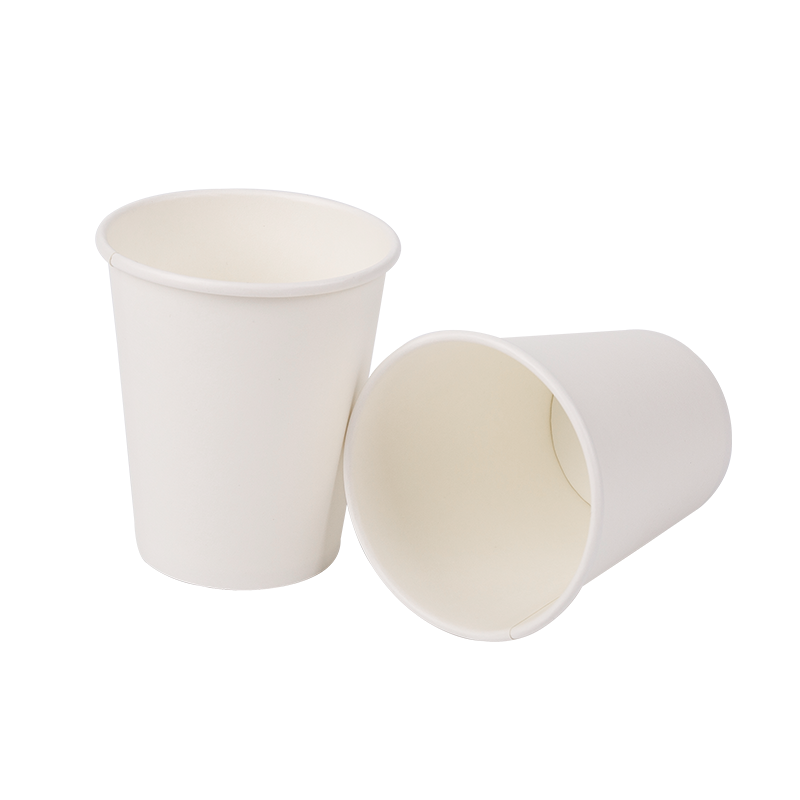
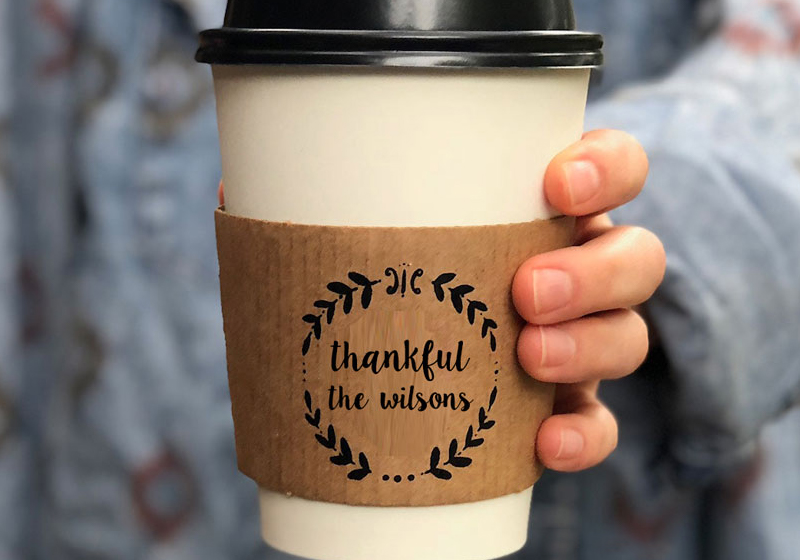
When selecting a paper coffee cup for business or event use, the most critical decision is often the wall construction. Single-wall cups are the most common and cost-effective option, but they offer minimal insulation against heat. To protect the user's hands, these usually require an additional corrugated sleeve. On the other hand, double-wall and "ripple" cups feature an extra layer of paper that creates a pocket of air between the inner and outer walls. This air pocket acts as a natural insulator, keeping the beverage hot for longer while allowing the exterior to remain cool to the touch.
| Cup Type | Heat Retention | Hand Comfort | Best Use Case |
| Single-Wall | Moderate | Requires Sleeve | Cold/Warm drinks, low cost |
| Double-Wall | High | Very Comfortable | Hot Lattes & Americanos |
| Ripple-Wall | Excellent | Best Grip & Comfort | Premium hot beverage service |
Sustainability and Eco-Friendly Linings
The biggest challenge facing the traditional paper coffee cup is recyclability. Because the plastic lining is bonded so tightly to the paper, many standard recycling facilities cannot separate the two materials efficiently. This has led to the rise of compostable coffee cups, which use polylactic acid (PLA)—a plant-based plastic derived from corn starch—instead of petroleum-based PE. These cups are designed to break down in industrial composting facilities, offering a significantly lower environmental footprint when disposed of correctly.
Eco-Friendly Materials at a Glance
- Aqueous Coating: A water-based lining that makes the cup easier to recycle in standard paper streams.
- FSC-Certified Paper: Ensures the paperboard comes from responsibly managed forests.
- PLA Linings: Biodegradable alternatives to traditional plastic that perform well with hot liquids.
- Recycled Content: Many cups now incorporate post-consumer waste into the outer layers.
Design Features and Consumer Experience
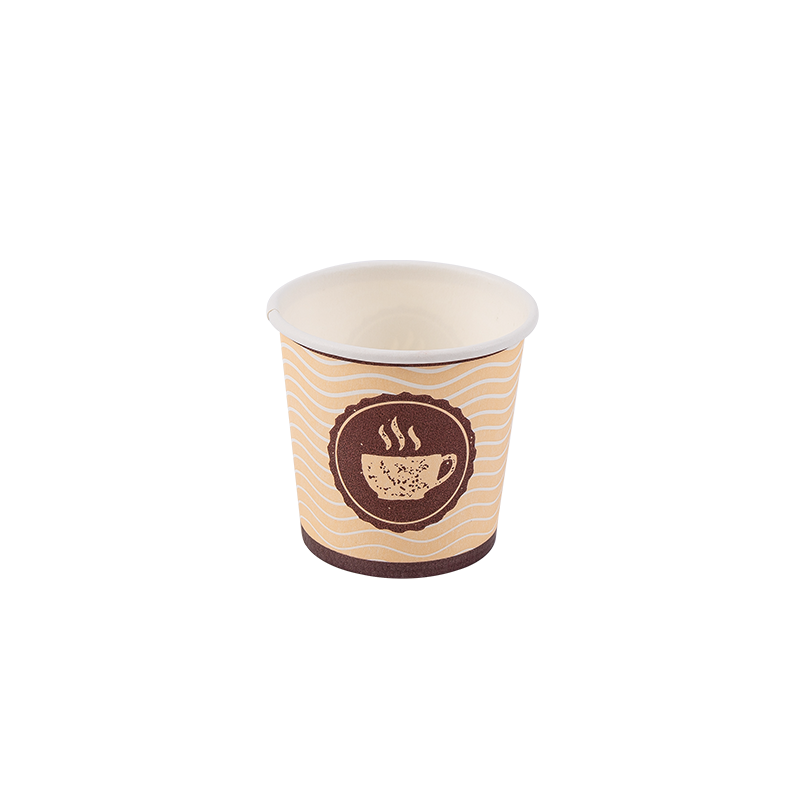
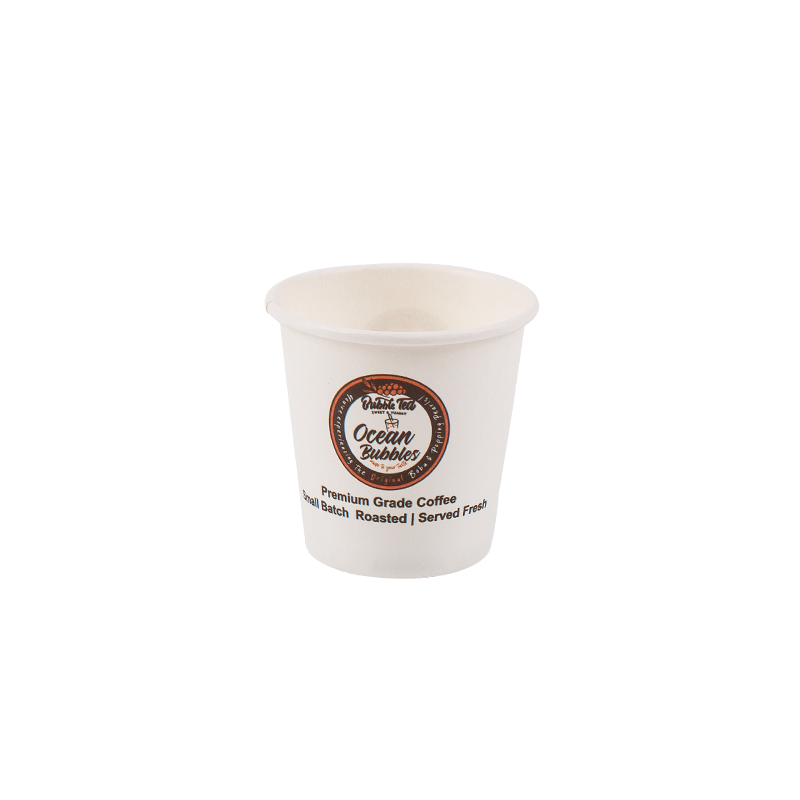
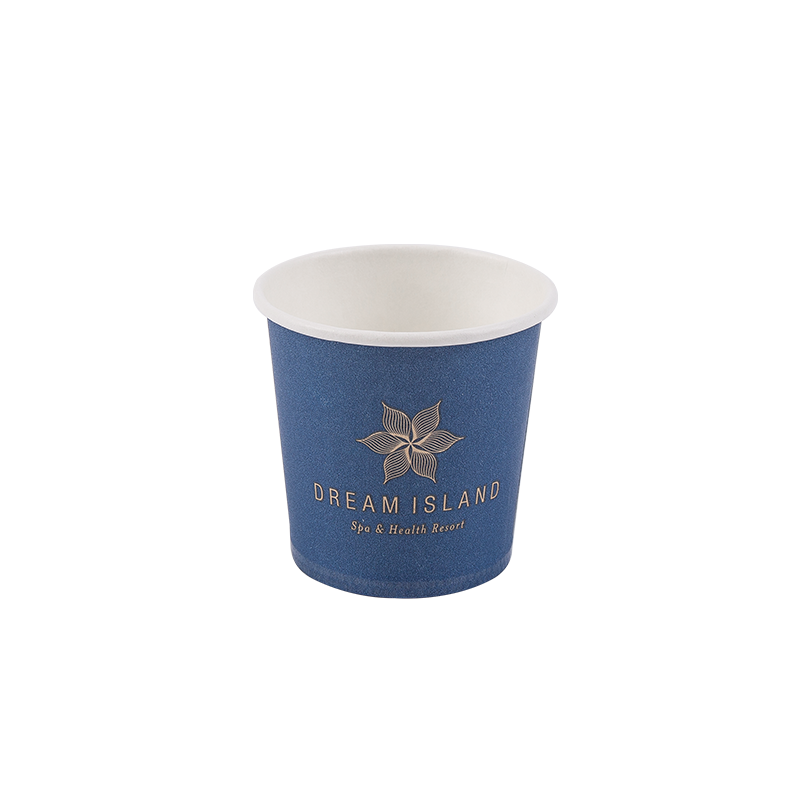
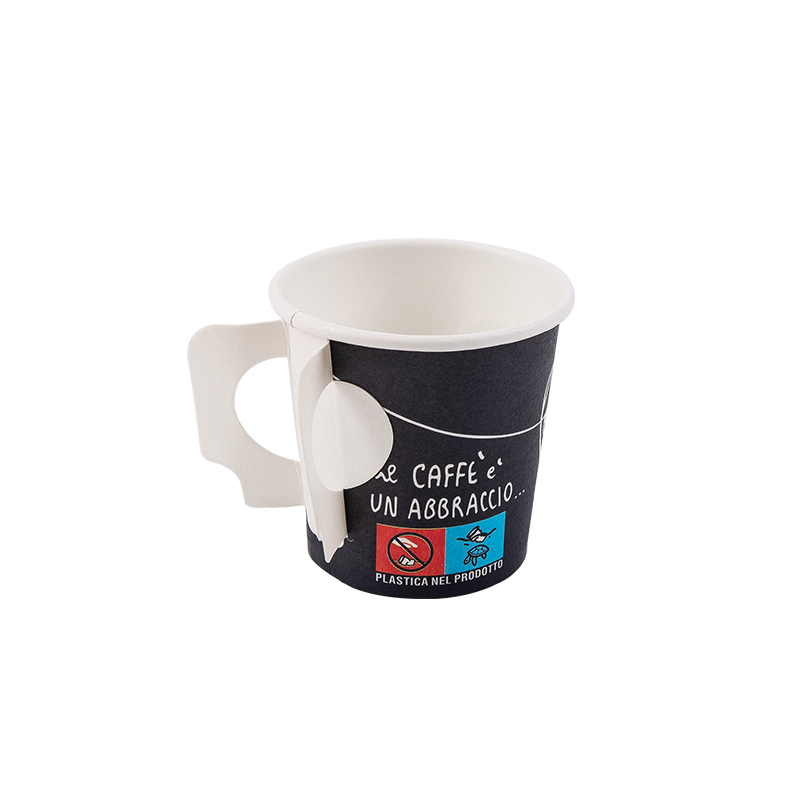
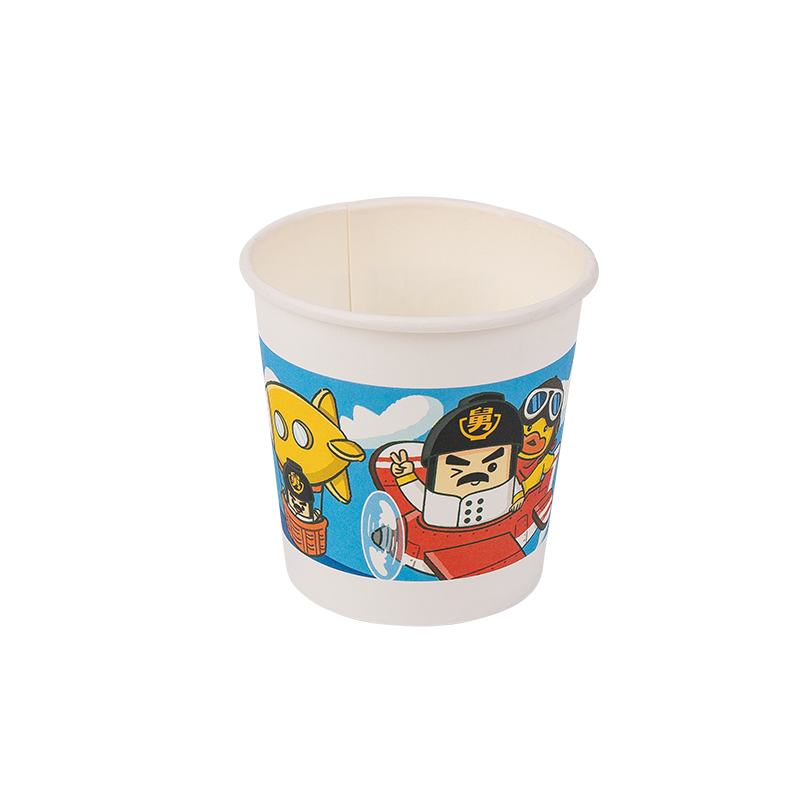
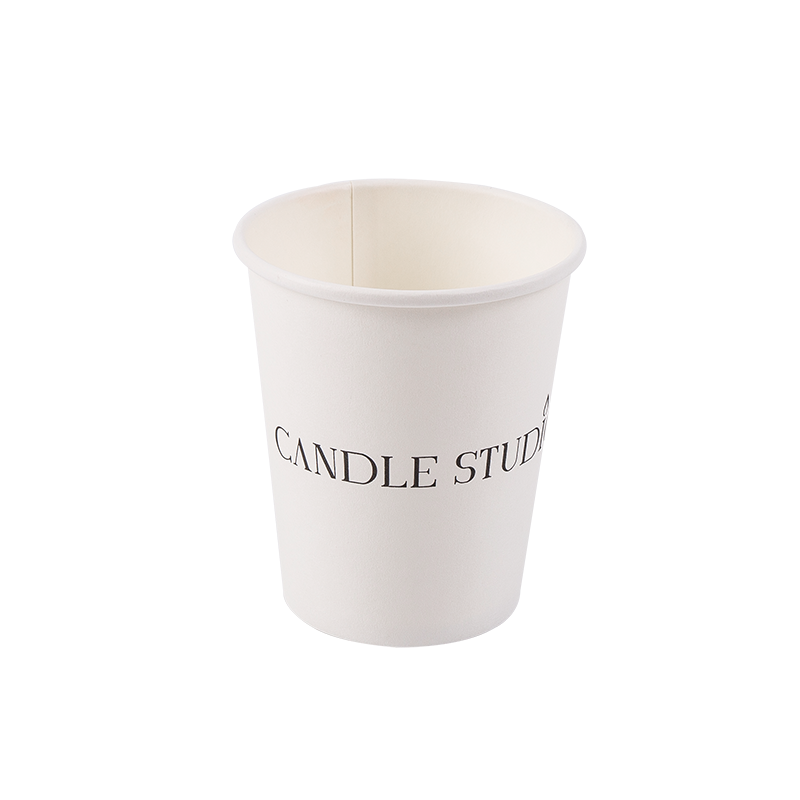
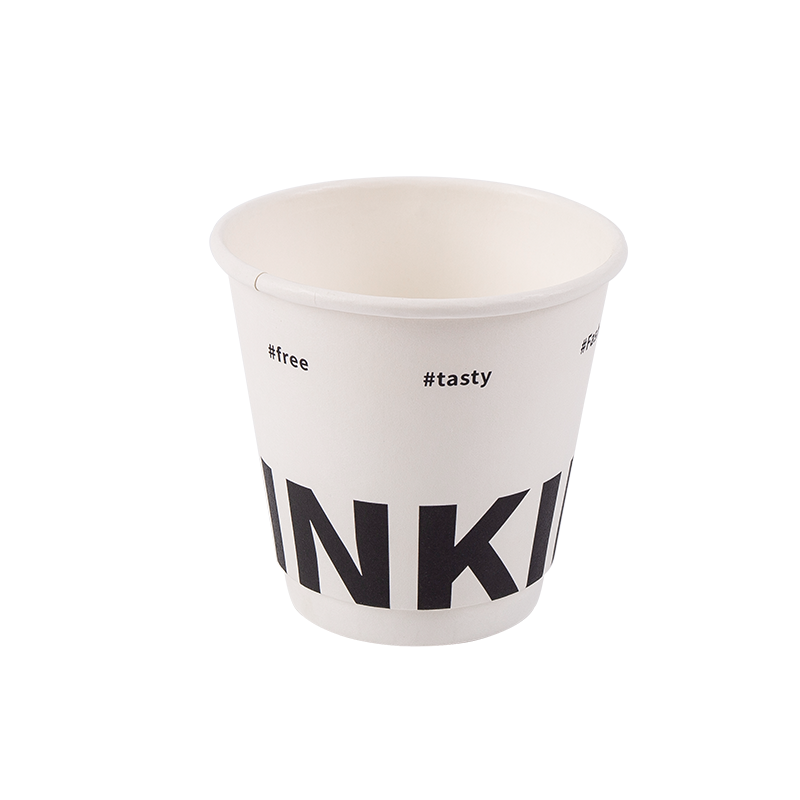
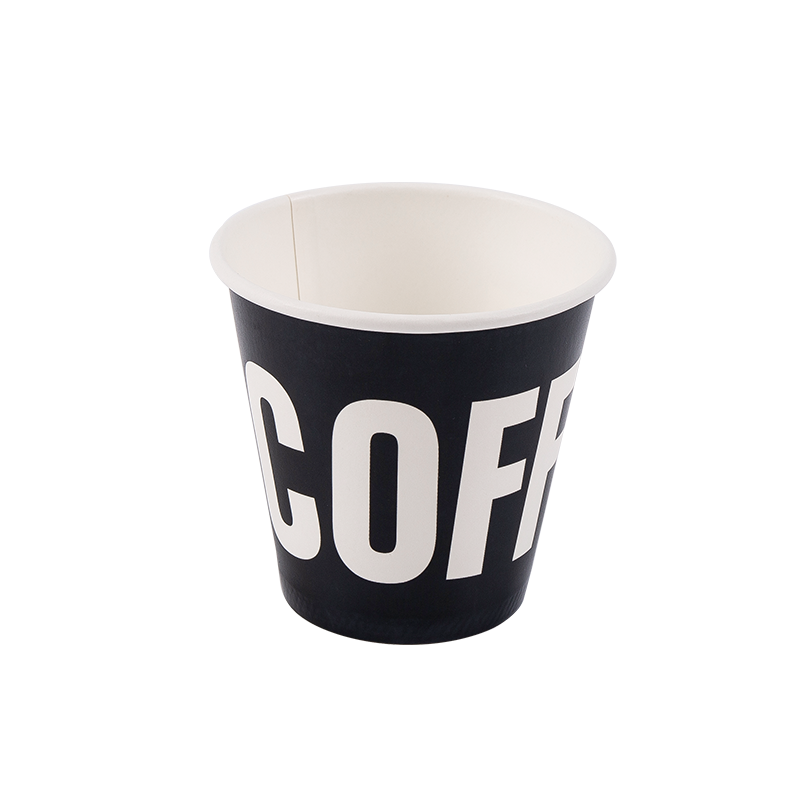
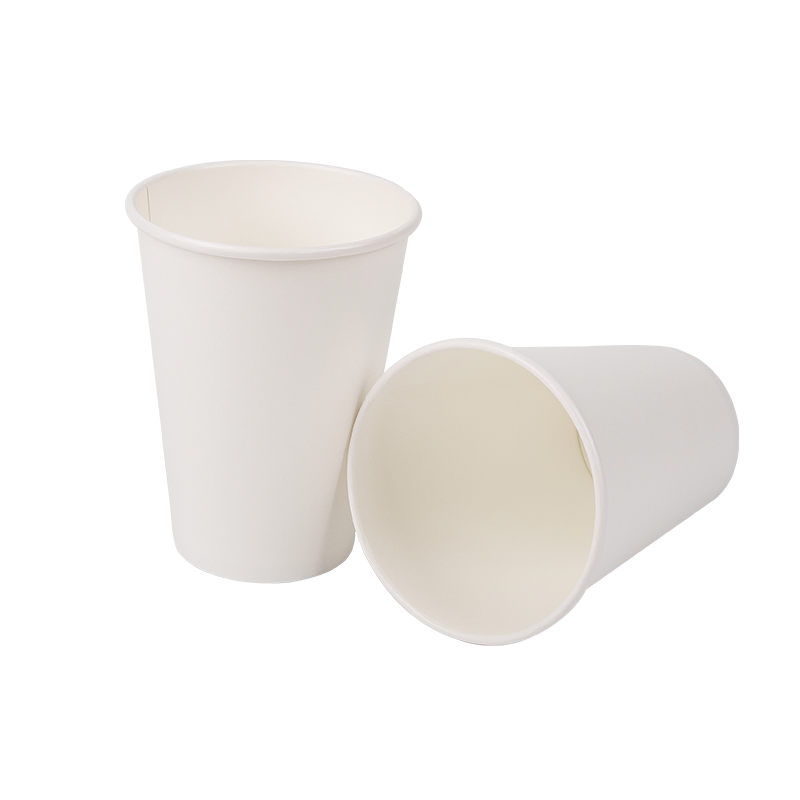
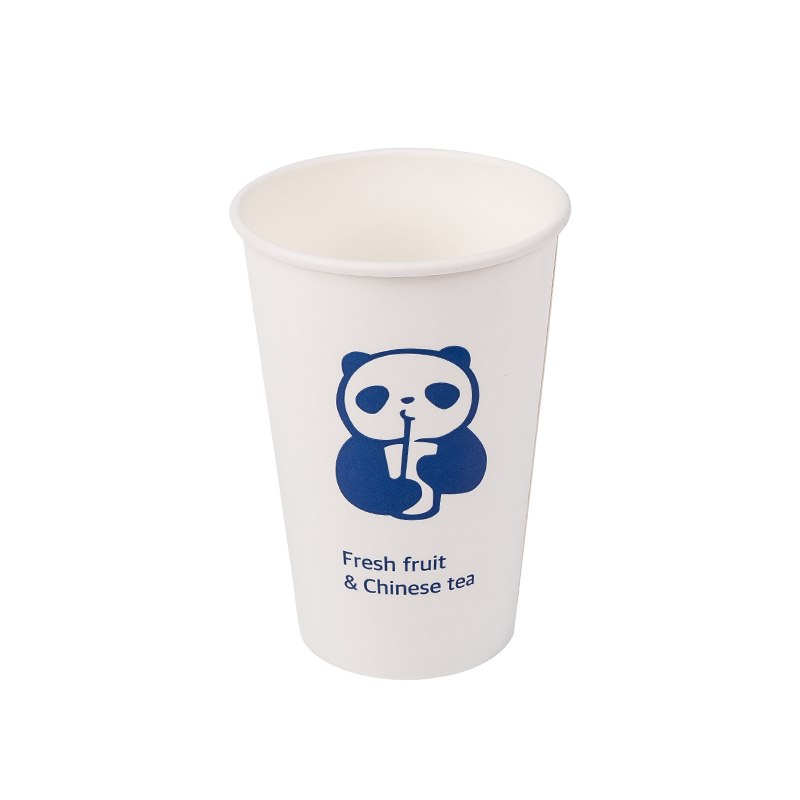
Beyond the material, the design of a paper coffee cup plays a massive role in the "to-go" coffee experience. The rim of the cup must be perfectly rolled to provide a secure fit for the lid, preventing accidental spills while walking or driving. Additionally, the taper of the cup is designed for nesting, allowing thousands of cups to be stacked tightly to save space in busy cafes. For brands, the exterior surface of the cup serves as a mobile billboard; high-quality printing techniques allow for vibrant logos and custom designs that enhance brand recognition on the street.
Comfort is also found in the texture. Matte finishes or "soft-touch" coatings provide a better grip and a more premium feel compared to glossy surfaces. Some manufacturers even incorporate textured ribbing into the paper coffee cup itself, which not only assists with heat dissipation but also ensures the cup doesn't slip out of a customer's hand, even if condensation forms on the exterior.
Summary: Balancing Convenience with Responsibility
In summary, the humble paper coffee cup is a marvel of modern convenience that continues to evolve. As consumer demand for sustainability grows, we are seeing a rapid transition toward plastic-free linings and easier recycling processes. Whether you are a business owner looking for the most reliable double-wall cup or a consumer trying to make a more eco-conscious choice, understanding how these cups are built helps you appreciate the technology that keeps your caffeine hot and your hands safe. The future of the takeaway cup lies in the balance between high-performance engineering and environmental responsibility.