



Get Free Sample
Disposable biodegradable paper bowls are typically made from molded pulp and possess biodegradable properties. These paper bowls can naturally decompose in the environment without causing pollution. Additionally, disposable biodegradable paper bowls are commonly made from food-grade materials, ensuring safety and health during use.
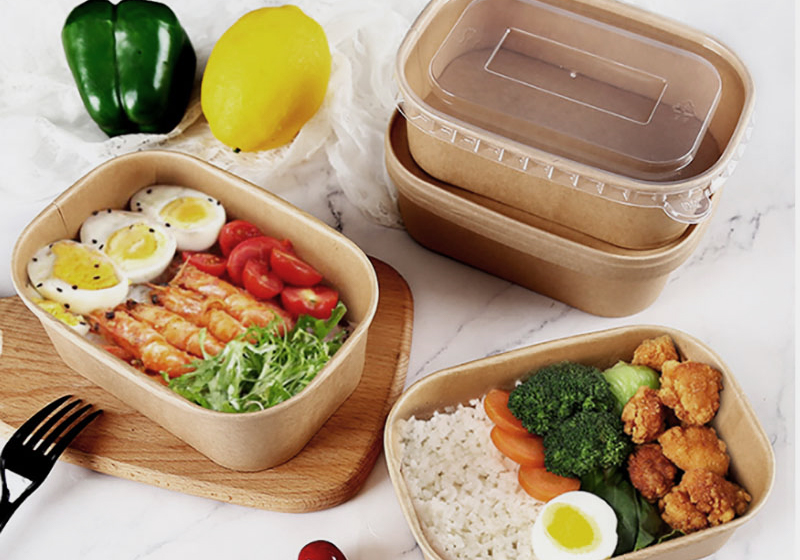
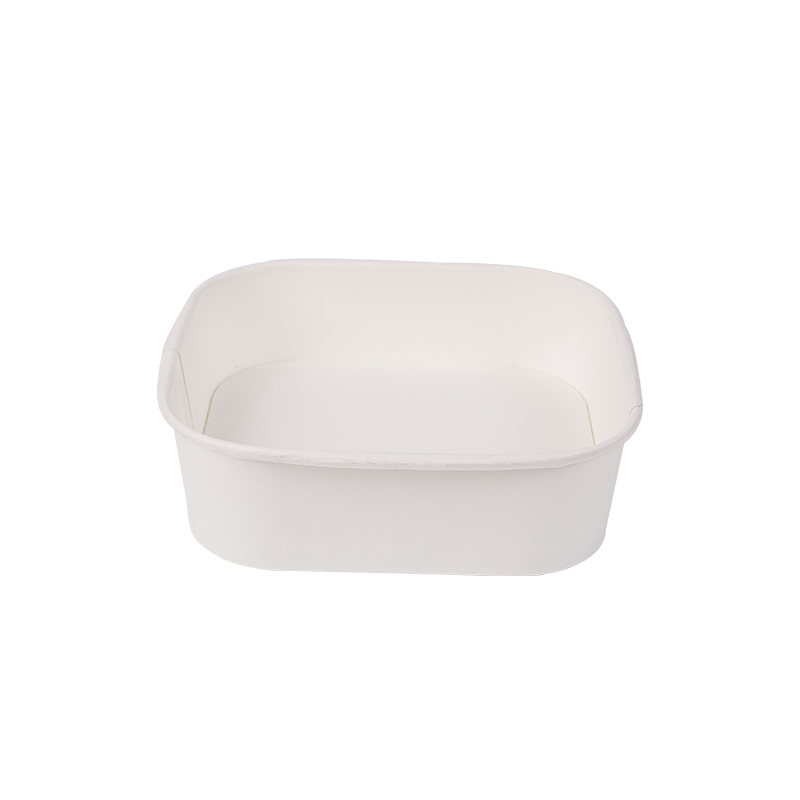
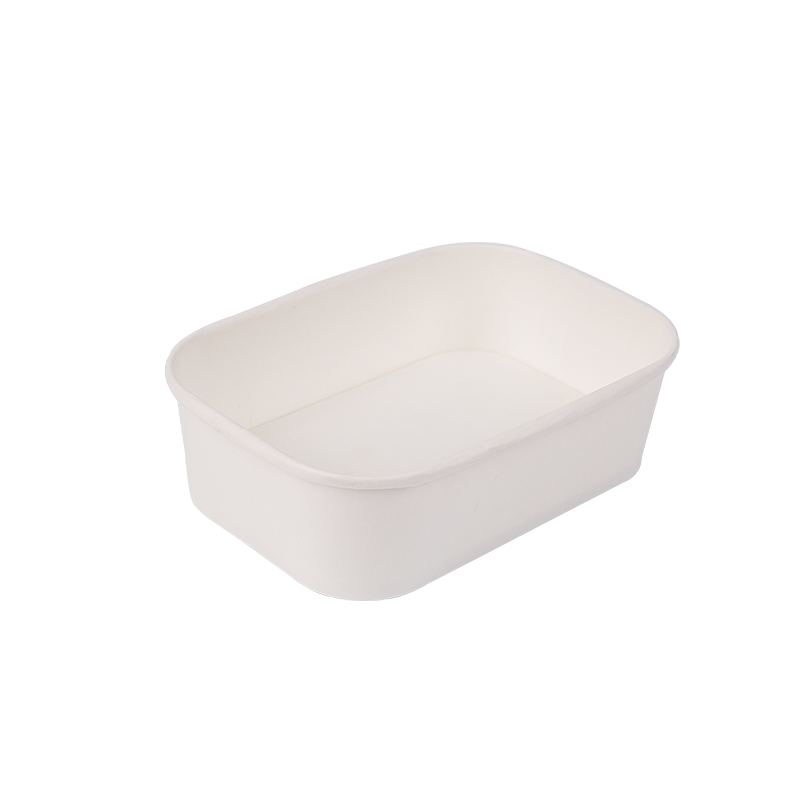
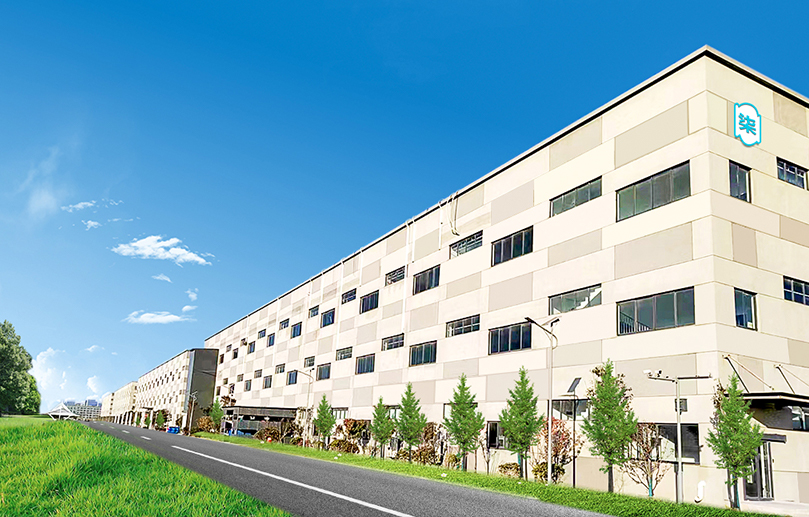
Jiangsu Marrot Biotechnology Co., Ltd. is well-known China Disposable Biodegradable Rectangular Paper Bowls Manufacturers and Disposable Biodegradable Rectangular Paper Bowls factory, established in 2014 as a comprehensive packaging material service provider, specializing in mold development, design, production, and domestic and international trade. Currently, our company operates in a 20,000-square-meter facility with a specialized production team of over 100 professionals. We possess over 80 pieces of equipment, including high-speed flexographic printers, high-speed die-cutting and punching machines, high-speed paper cup and bowl machines, and fully automated packaging machines. Our production workshop adheres to high cleanliness standards and is BRC-certified, ensuring food packaging safety.
Our company's product positioning is in the mid-to-high-end customizations for chain restaurants. With nearly a decade of dedicated efforts, we have gained the favor of numerous brands in channels such as Chinese cuisine, tea shops, coffee shops, and cinemas.
We have our own custom print Disposable Biodegradable Rectangular Paper Bowls factory. Our production workshop maintains a high standard of cleanliness and meets the requirements of BRC certification. This means that we strictly adhere to hygiene and safety standards for food packaging, providing customers with safe and reliable food packaging products.
What Makes a Coffee Paper Cup Different From a Regular Paper Cup? Not all paper ...
View MoreThe Modern Engineering of a Paper Coffee Cup A standard paper coffee cup may loo...
View MoreWhy Disposable Straws Are Still Popular and How to Choose the Right One Disposab...
View MoreWhy Businesses Are Switching to Biodegradable Paper Boxes Biodegradable Paper Bo...
View MoreWhat Makes Biodegradable Paper Boxes a Smart Packaging Choice Biodegradable Pape...
View MoreThe term “biodegradable” often causes confusion. Many assume it means the material will break down quickly in a common environment, but true biodegradability, particularly for food-contact paper products like our rectangular bowls, depends heavily on the coating and the disposal environment.
Disposable Biodegradable Rectangular Paper Bowls are often lined with Polyethylene (PE) to provide a moisture barrier, but this plastic liner hinders composting. For a bowl to be truly biodegradable and compostable, it needs a specific barrier. Polylactic Acid (PLA), derived from renewable resources like corn starch, is a common choice. However, PLA requires industrial composting conditions (high heat and specific microbial activity) to break down efficiently. Another, more advanced option is a water-based barrier coating. These coatings are often formulated from natural latex or acrylic polymers and can offer excellent grease resistance while allowing the paper fiber to decompose in a wider variety of composting environments, sometimes even home composting. When we develop the molds for these products, we pay close attention to the structural integrity combined with the chosen barrier, ensuring our bowls meet the stringent performance needs of high-volume chain restaurants while upholding our commitment to sustainability.
Designing a rectangular paper bowl for the food service industry is an exercise in applied mechanics. Unlike the inherently stable circular paper cup, the rectangular shape introduces specific challenges, particularly at the corners and along the straight-line folds, which are weak points prone to leakage or deformation under the weight of hot or liquid food.
For food packaging, particularly disposable items used by large chain restaurants, certifications are non-negotiable. Our BRC (Brand Reputation Compliance Global Standards) certification for Packaging Materials is a fundamental aspect of our operation and directly speaks to food safety, which is paramount in the mid-to-high-end market.
The BRC standard requires far more than just testing the final product. It mandates a comprehensive Hazard Analysis and Critical Control Points (HACCP) system across the entire 20,000-square-meter facility. This includes:
The visual appeal and brand consistency of disposable packaging are vital marketing tools, especially for the tea shops and coffee shops we partner with. Flexographic printing is the industry standard for paper cups and bowls due to its high speed and ability to print on flexible, non-uniform surfaces like paperboard. However, achieving premium, vibrant results requires expertise in ink and substrate management.
| Aspect | Conventional Approach | Our Advanced Flexographic Capability |
|---|---|---|
| Color Registration | Acceptable for simple logos; slight misalignment on complex designs. | High-speed flexographic printers with advanced electronic control ensure near-perfect registration, critical for complex graphics and photorealistic imagery. |
| Ink Type | Standard process inks (CMYK). | Use of low-migration, food-grade inks and specialized opaque white inks for vibrant printing on brown or naturally colored paperboard. |
| Screen Ruling | Lower line screens, resulting in noticeable dots. | High-resolution screen rulings (e.g., 150-175 lines per inch) for smoother gradations and sharper fine text, vital for premium branding. |
| Proofing & Consistency | Manual color checking. | Spectrophotometers are used throughout the run to ensure the printed color exactly matches the brand’s specified Pantone or CMYK values, guaranteeing consistency across all production runs. |
This dedication to quality print, achieved on our high-speed equipment, ensures that the disposable bowl is not just a container but a high-impact element of our clients’ brand identity. Our nearly a decade of dedicated efforts means we understand how to translate a brand’s vision onto a physical product perfectly.

Xiangshui Intelligent terminal Industrial Park No.7, Yancheng City, Jiangsu Province, China

+86-18550117282

marrot_jenny@163.com
Copyright © Jiangsu Marrot Biotechnology Co., Ltd. Rights Reserved. Custom Print Disposable Biodegradable Rectangular Paper Bowls Manufacturers



 English
 русский
 Español
 中文简体
中文简体


