



Get Free Sample
Disposable biodegradable paper bowls for salads are made from plant fibers, such as rice husks, straw, and sugarcane bagasse. The raw materials are combined with shaping agents, adhesives, photosensitizers, starch, and water-resistant agents. The process involves drying, shaping, and sterilizing the formed disposable biodegradable paper bowls. After being exposed to the environment for three months, these bowls will decompose into fragments, leaving no harmful residues. This biodegradable feature ensures safety, environmental friendliness, and prevents pollution.
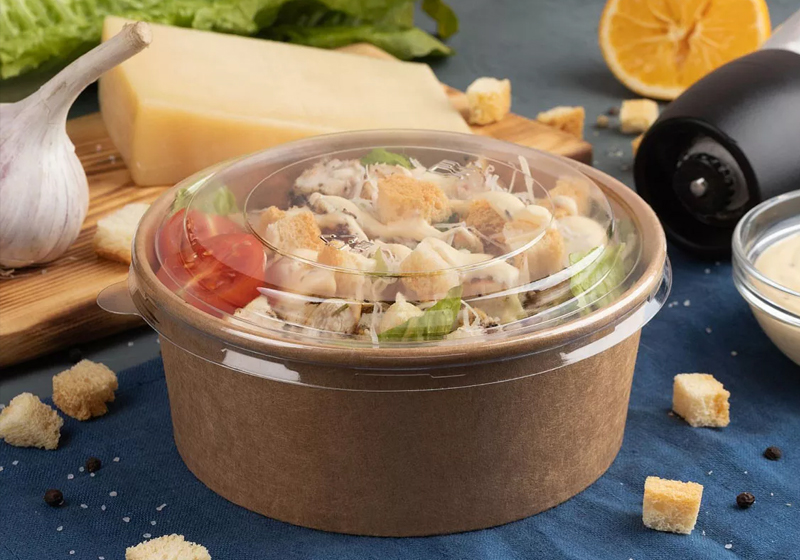
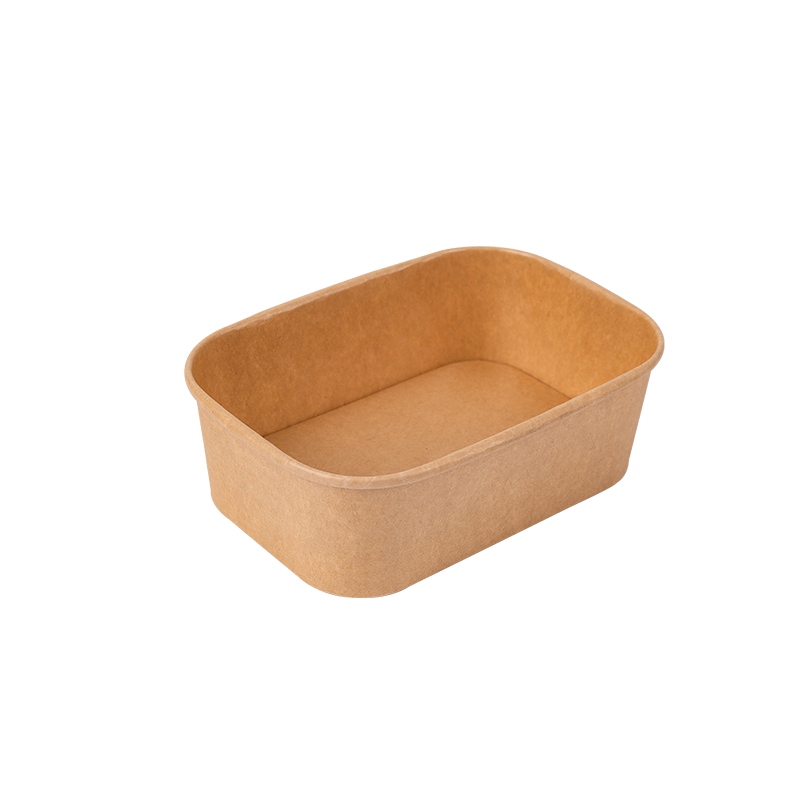
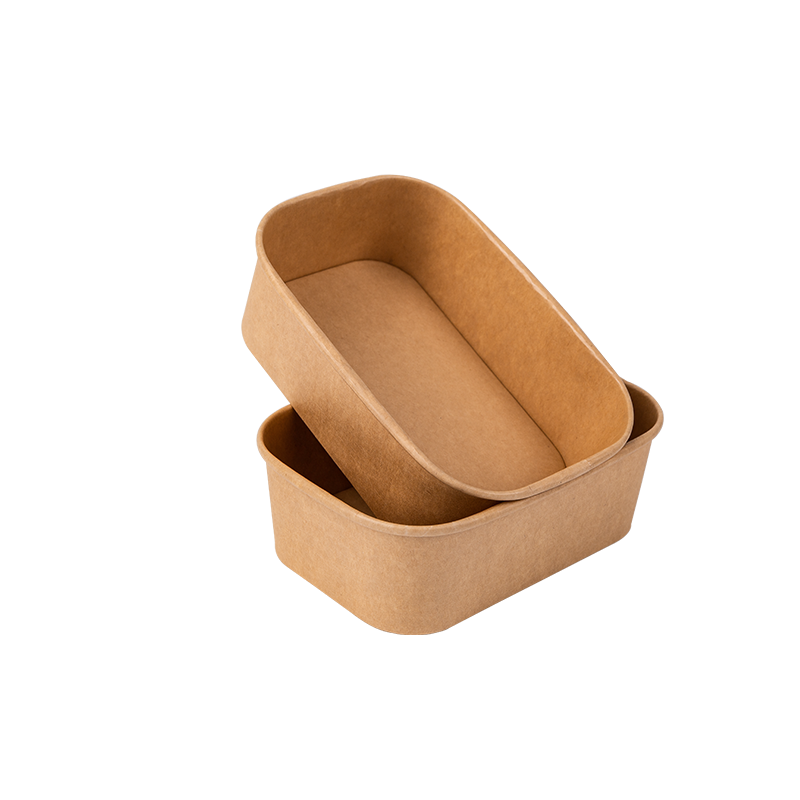
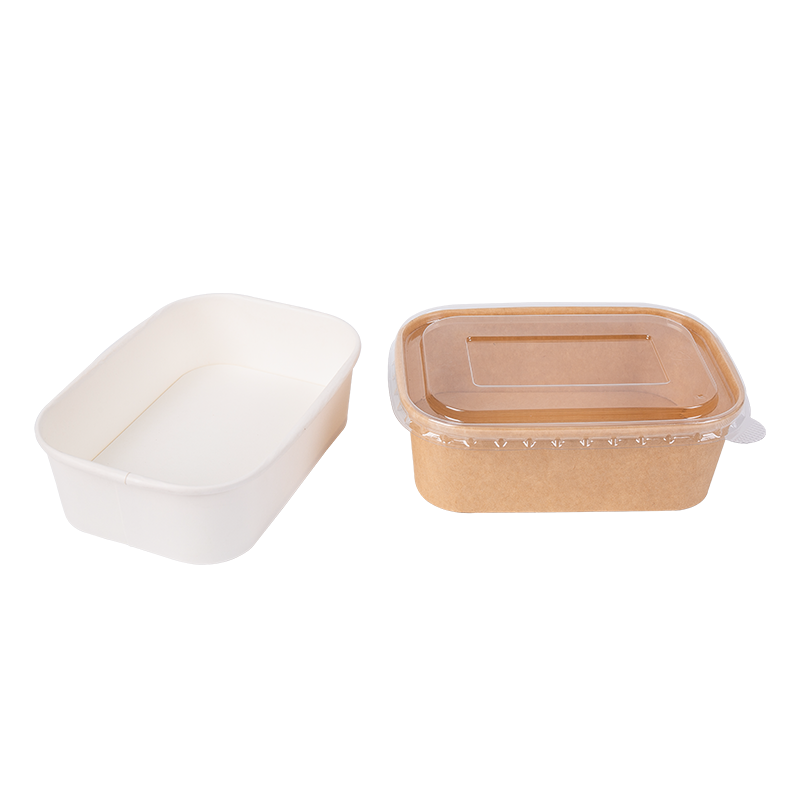
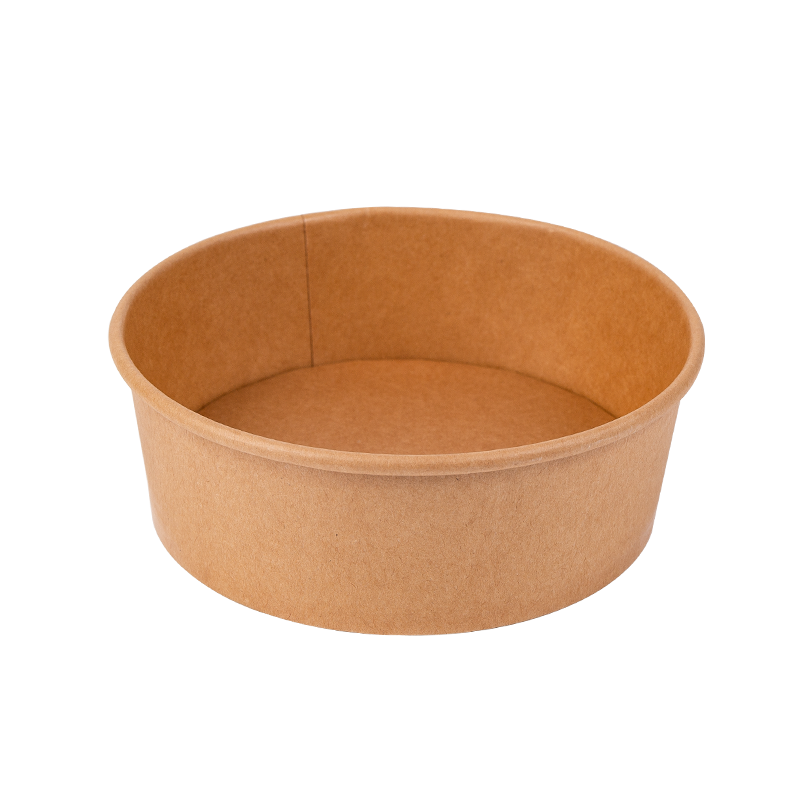
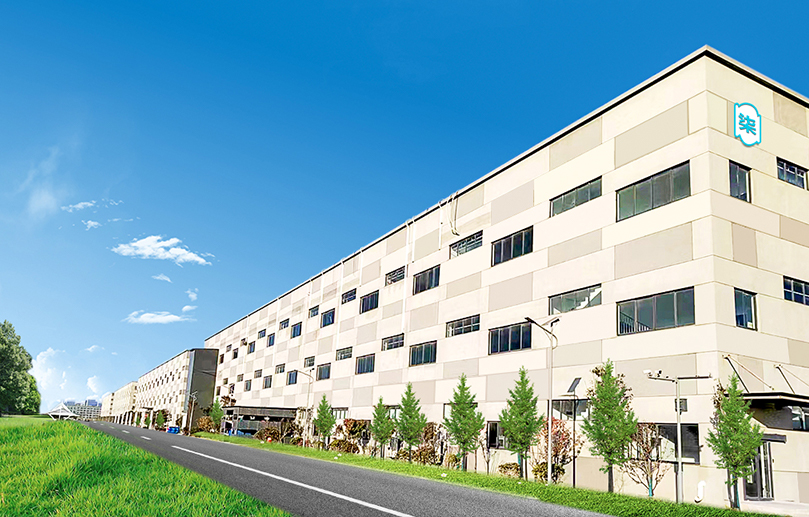
Jiangsu Marrot Biotechnology Co., Ltd. is well-known China Disposable Biodegradable Salad Paper Bowls Manufacturers and Disposable Biodegradable Salad Paper Bowls factory, established in 2014 as a comprehensive packaging material service provider, specializing in mold development, design, production, and domestic and international trade. Currently, our company operates in a 20,000-square-meter facility with a specialized production team of over 100 professionals. We possess over 80 pieces of equipment, including high-speed flexographic printers, high-speed die-cutting and punching machines, high-speed paper cup and bowl machines, and fully automated packaging machines. Our production workshop adheres to high cleanliness standards and is BRC-certified, ensuring food packaging safety.
Our company's product positioning is in the mid-to-high-end customizations for chain restaurants. With nearly a decade of dedicated efforts, we have gained the favor of numerous brands in channels such as Chinese cuisine, tea shops, coffee shops, and cinemas.
We have our own custom print Disposable Biodegradable Salad Paper Bowls factory. Our production workshop maintains a high standard of cleanliness and meets the requirements of BRC certification. This means that we strictly adhere to hygiene and safety standards for food packaging, providing customers with safe and reliable food packaging products.
What Makes a Coffee Paper Cup Different From a Regular Paper Cup? Not all paper ...
View MoreThe Modern Engineering of a Paper Coffee Cup A standard paper coffee cup may loo...
View MoreWhy Disposable Straws Are Still Popular and How to Choose the Right One Disposab...
View MoreWhy Businesses Are Switching to Biodegradable Paper Boxes Biodegradable Paper Bo...
View MoreWhat Makes Biodegradable Paper Boxes a Smart Packaging Choice Biodegradable Pape...
View MoreThe term “biodegradable” is often used, but truly understanding its implications for Disposable Biodegradable Salad Paper Bowls is crucial. For paper bowls to be genuinely earth-friendly, the inner lining, which prevents leakage and grease penetration, is key. Traditional paper bowls use a polyethylene (PE) plastic coating, making the paper recyclable only through specialized, energy-intensive processes, and the resulting product is not biodegradable. The shift toward biodegradable paper bowls involves replacing this PE with materials like Polylactic Acid (PLA) or a water-based barrier coating.
PLA is a plant-based plastic derived from renewable resources such as corn starch or sugarcane. While it is bio-based, it generally requires commercial composting facilities to break down effectively and is often not suitable for backyard composting. The water-based barrier coating, on the other hand, is a more recent innovation that can allow the paper product to degrade fully in a landfill environment, much like untreated paper, while still being recyclable with regular paper waste. Choosing the right lining is essential for the actual end-of-life environmental benefit, a choice we at Jiangsu Marrot take seriously when developing solutions for mid-to-high-end chain restaurants.
Achieving consistent quality in high-volume production of disposable paper bowls, especially for mid-to-high-end customization, is a demanding technical feat. It relies heavily on the precision of the machinery and the quality of the raw materials.
The seamless operation between these machines—from printing to die-cutting to the final automated packaging—is what allows us to deliver high-quality, customized products on a large scale.
For chain restaurants, the value of a customized Disposable Biodegradable Salad Paper Bowls goes far beyond simple containment; it is a critical component of the brand experience and marketing strategy. Mid-to-high-end customization, where our expertise lies, involves strategic decisions regarding size, shape, and artwork that impact both cost and brand perception.
| Customization Element | Impact on Cost and Brand Value | Practical Consideration |
|---|---|---|
| Size & Shape (Tooling) | Initial mold development cost, but high production efficiency. | Investing in a unique mold for a specific menu item (e.g., a shallow bowl for grain salads) creates a signature look. Our specialized mold development expertise is a key advantage we offer our partners. |
| Print Coverage & Color | More colors or heavier ink coverage increases material cost slightly. | Full-coverage printing elevates the bowl from a container to a mobile billboard, reinforcing brand identity for customers in tea shops and coffee shops. |
| Barrier Material | PLA is often more expensive than PE; water-based barrier may have a different cost profile. | The choice reflects the chain’s commitment to sustainability, a powerful selling point to the environmentally conscious consumer base. |
| Lid Integration | Requires precise rim dimensions to ensure a tight, secure fit for transportation. | Essential for takeout and delivery, a secure lid reduces spills and maintains food temperature and freshness. |
Chain operations benefit from the economies of scale that come with large-volume, scheduled production, which offsets the initial investment in customization. This consistent quality and supply chain reliability is why we have gained the favor of numerous brands across various channels.
BRC (Brand Reputation Compliance) certification is a globally recognized benchmark for quality and safety in the food supply chain. For a packaging manufacturer like us, adherence to BRC standards means far more than just passing an audit; it is an intrinsic part of our production process, from raw material sourcing to the final packaged product.
Key aspects of maintaining a BRC-certified food packaging environment include:
The future of food packaging safety will likely see even greater demand for verifiable, high-level standards like BRC, as consumer awareness of supply chain risks continues to grow.

Xiangshui Intelligent terminal Industrial Park No.7, Yancheng City, Jiangsu Province, China

+86-18550117282

marrot_jenny@163.com
Copyright © Jiangsu Marrot Biotechnology Co., Ltd. Rights Reserved. Custom Print Disposable Biodegradable Salad Paper Bowls Manufacturers



 English
 русский
 Español
 中文简体
中文简体


