


Get Free Sample
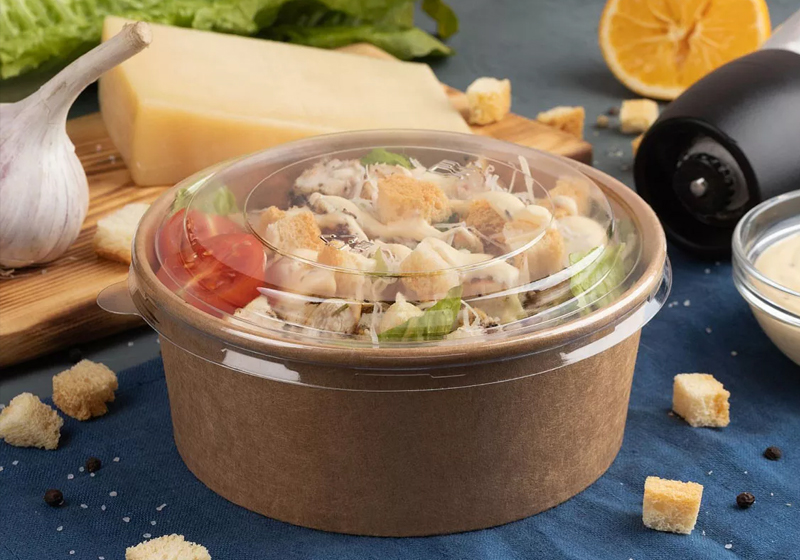
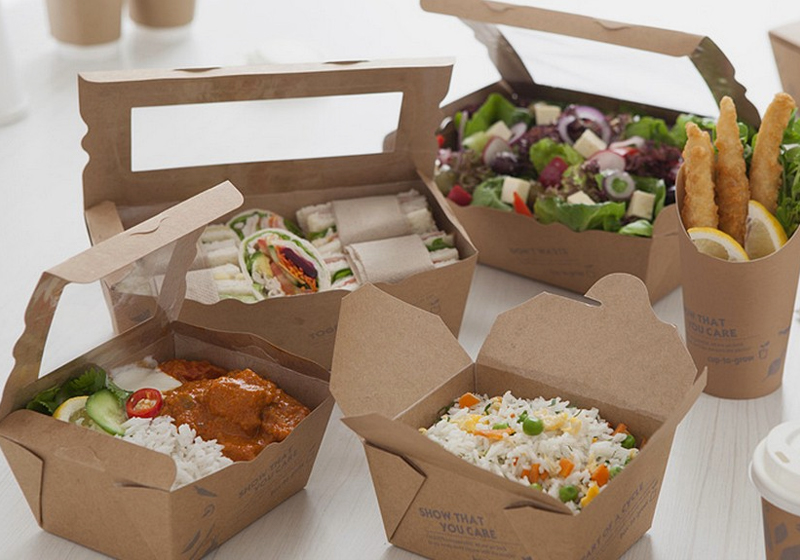
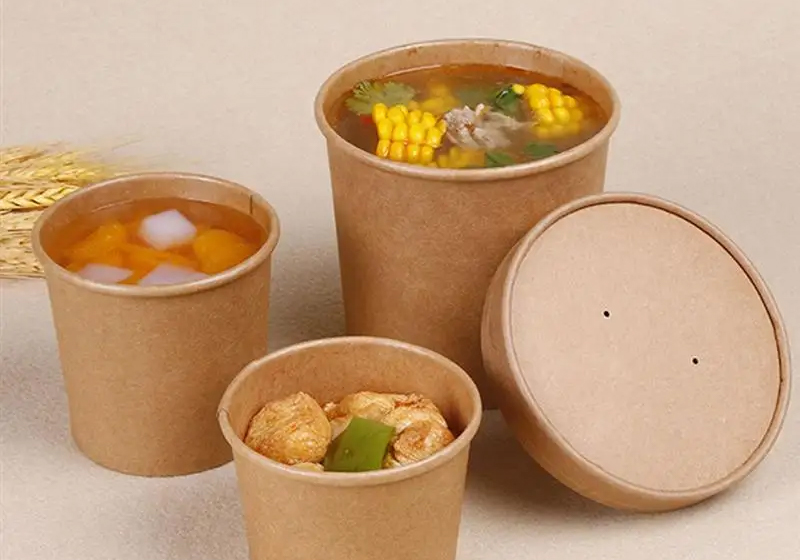
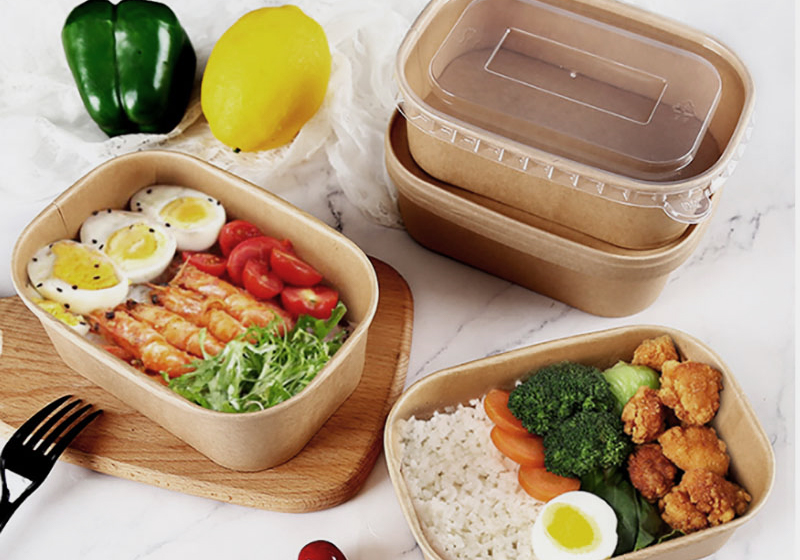
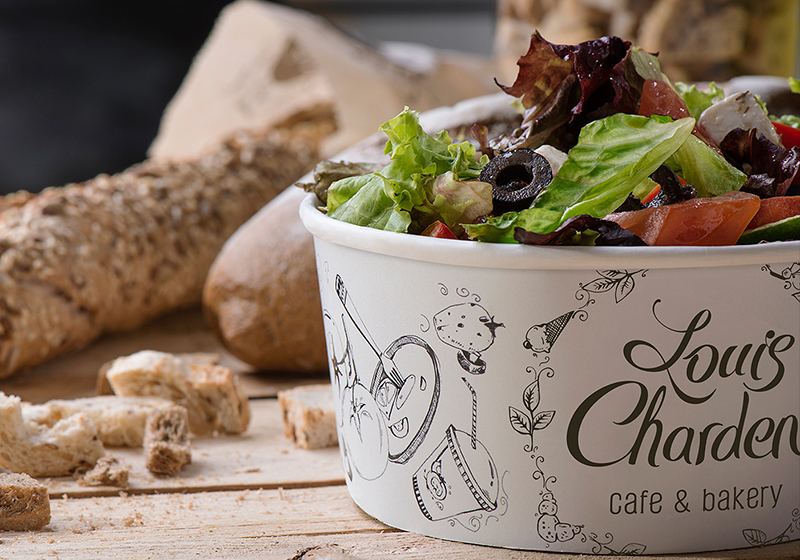
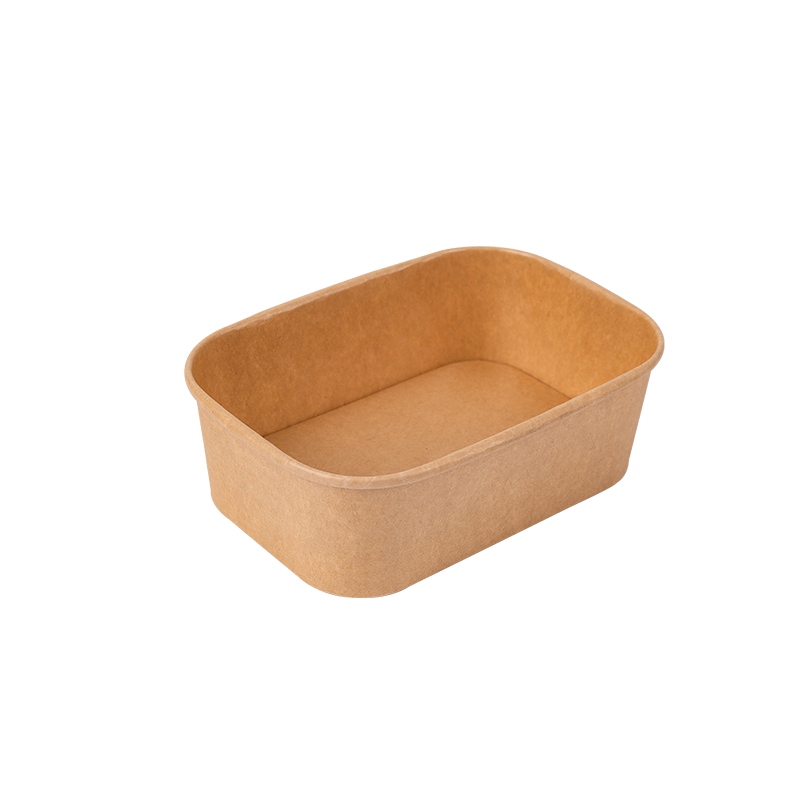
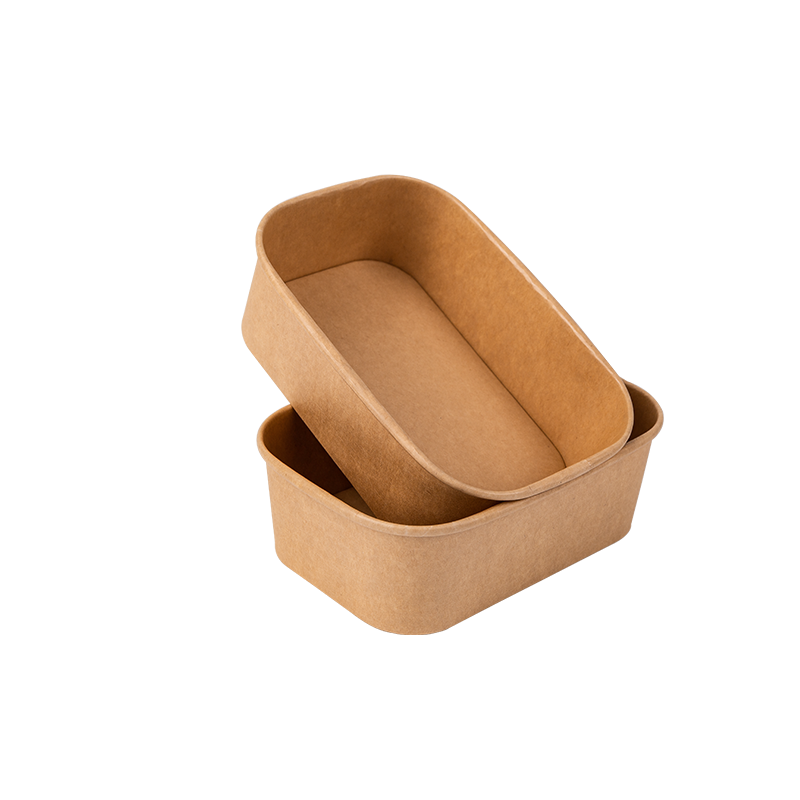
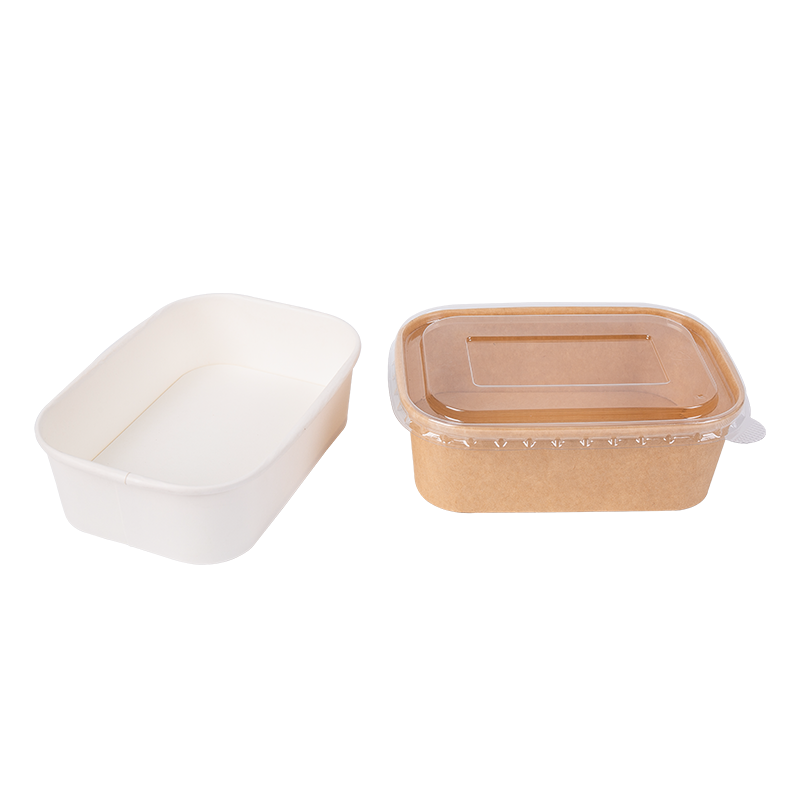
Disposable biodegradable paper bowls are made from high-quality pulp materials, ensuring that the bowls have sufficient stability and durability. This allows the paper bowls to not only be suitable for cold and hot food items but also maintain their sturdiness during use, preventing leakage and deformation. We offer a variety of sizes and capacities of paper bowls to meet various occasions and purposes. From small paper bowls suitable for individual servings to large paper bowls for sharing, our product line covers a wide range of needs, providing customers with more choices. We provide customizable printing services. Businesses can have their own brand logos, slogans, or design elements printed on the paper bowls, enabling personalized customization and increasing brand exposure.
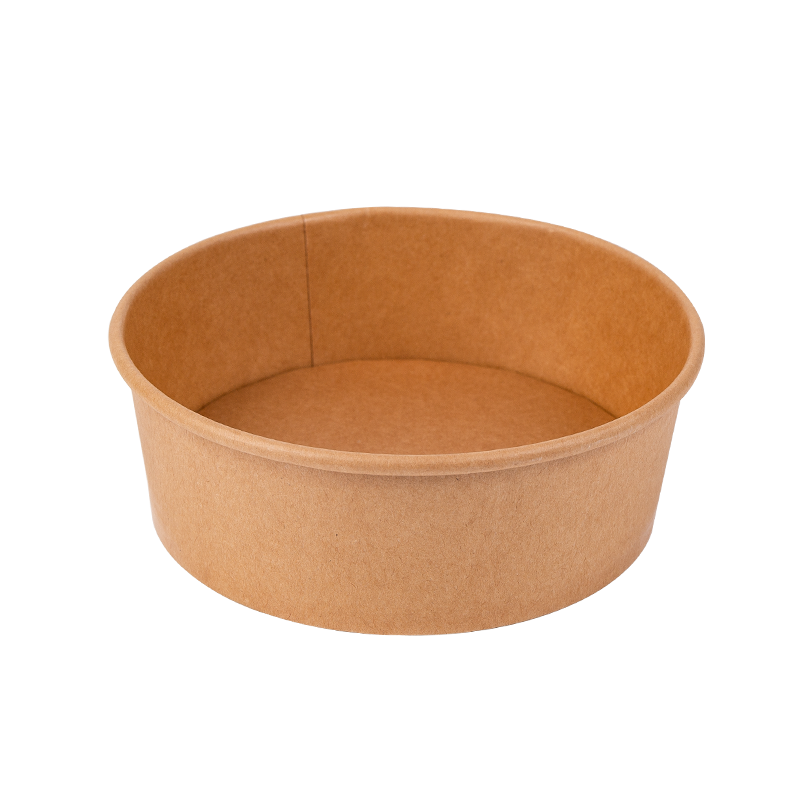
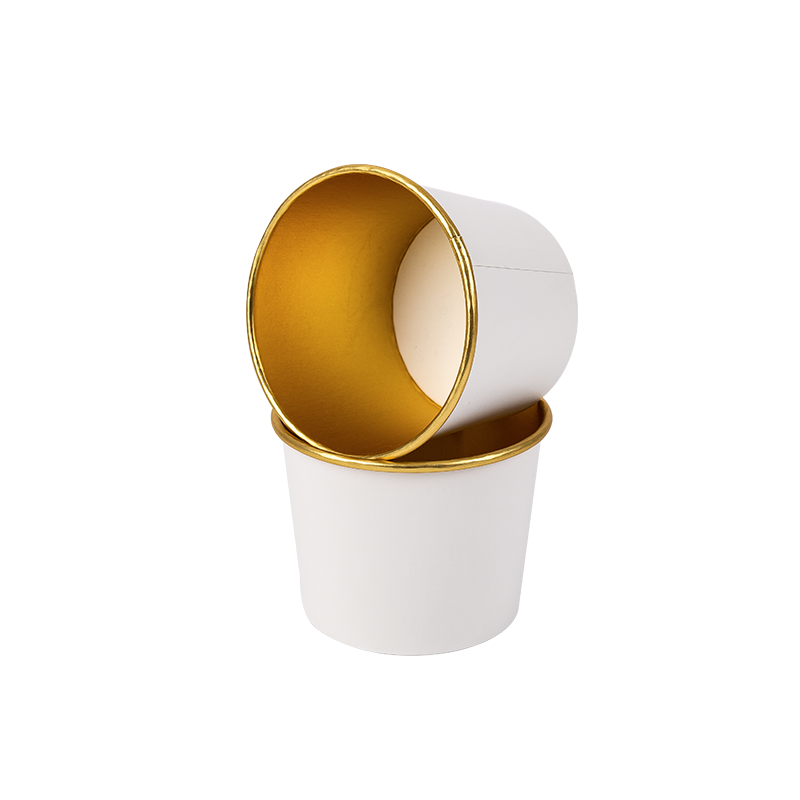
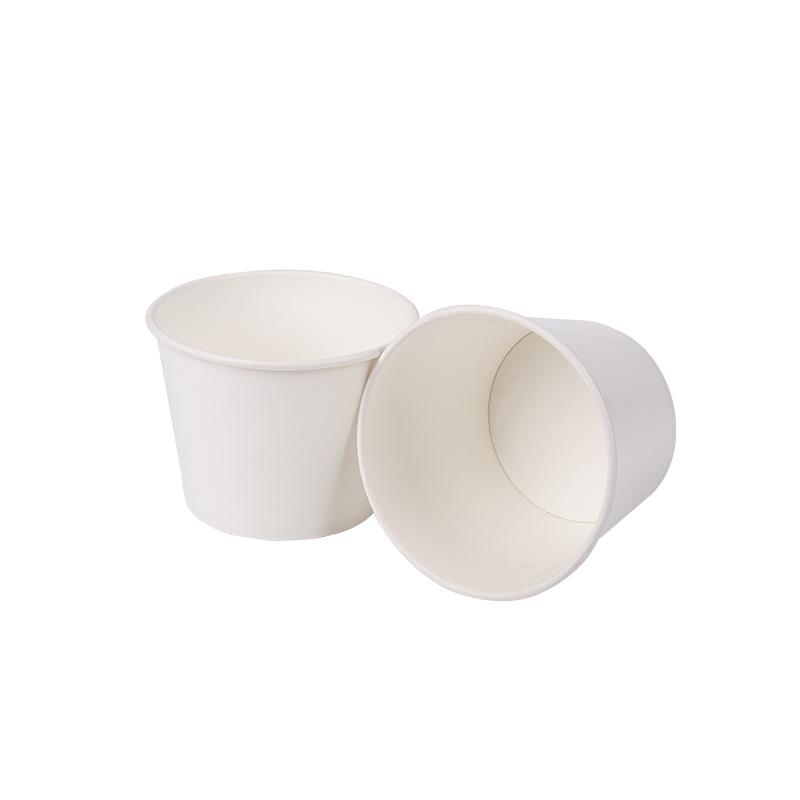
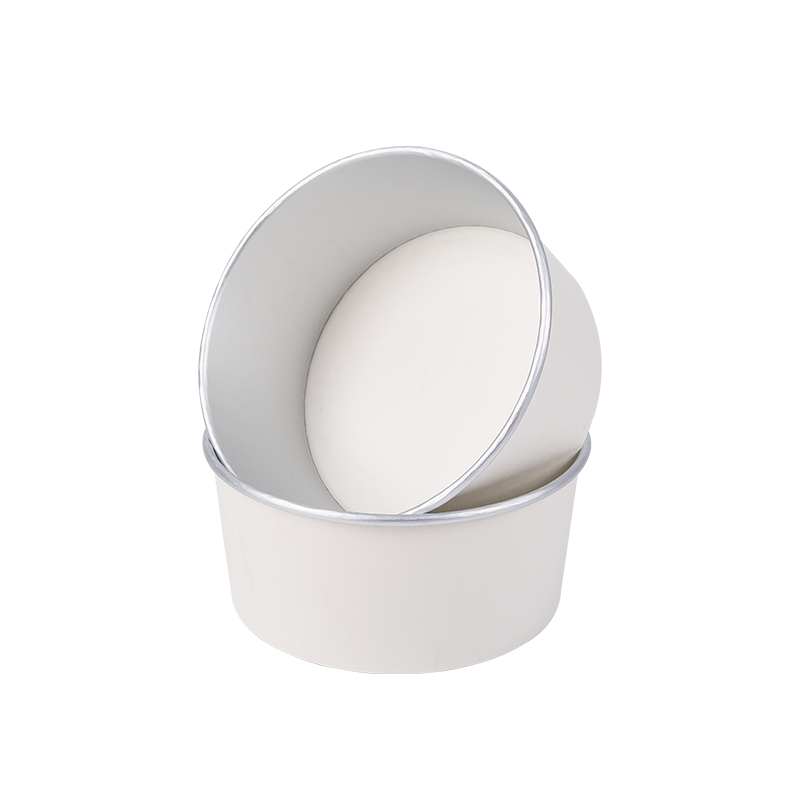
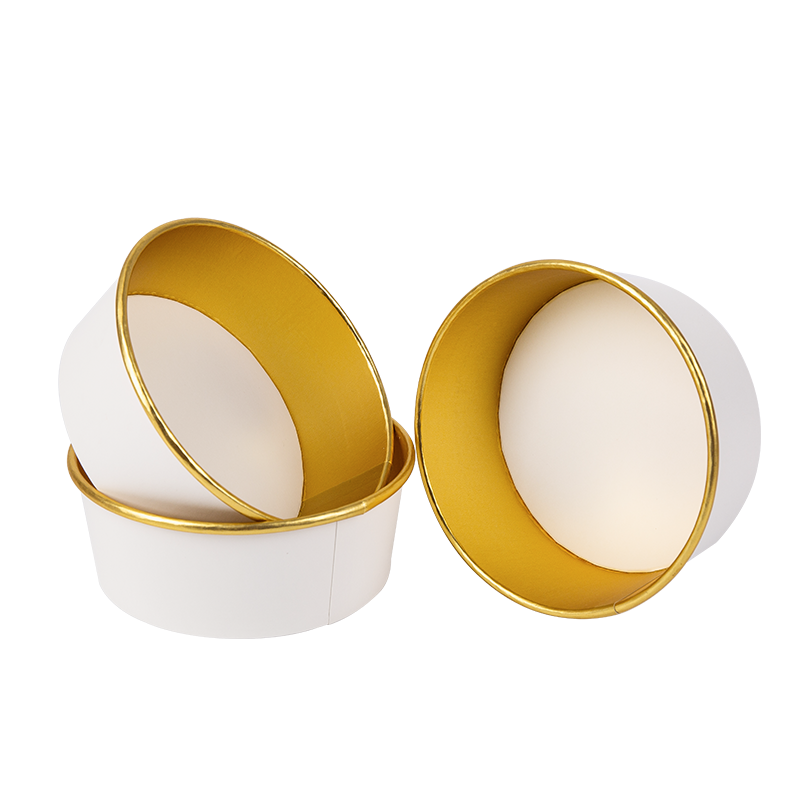
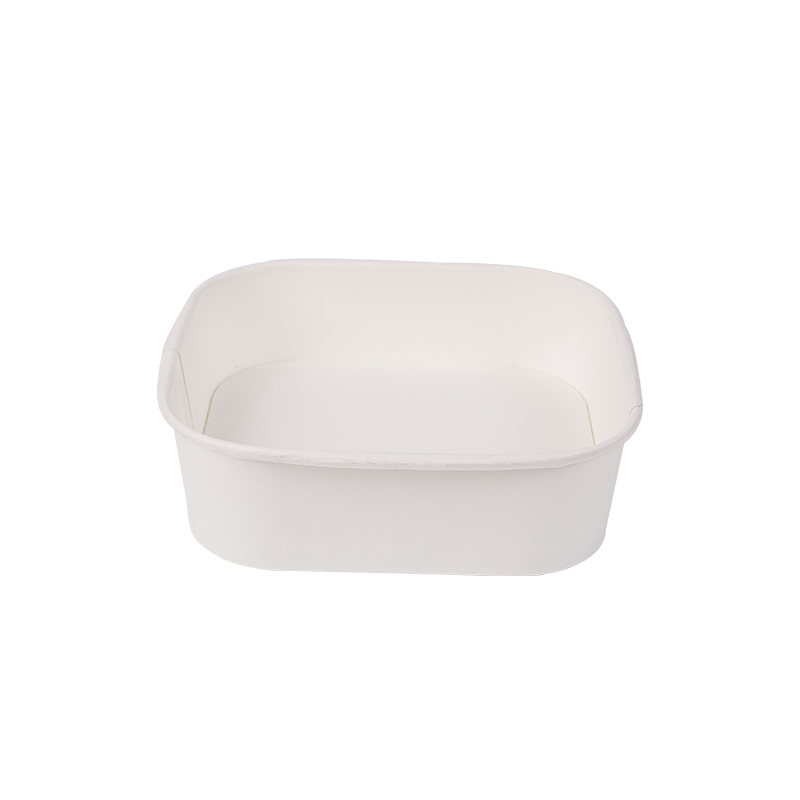
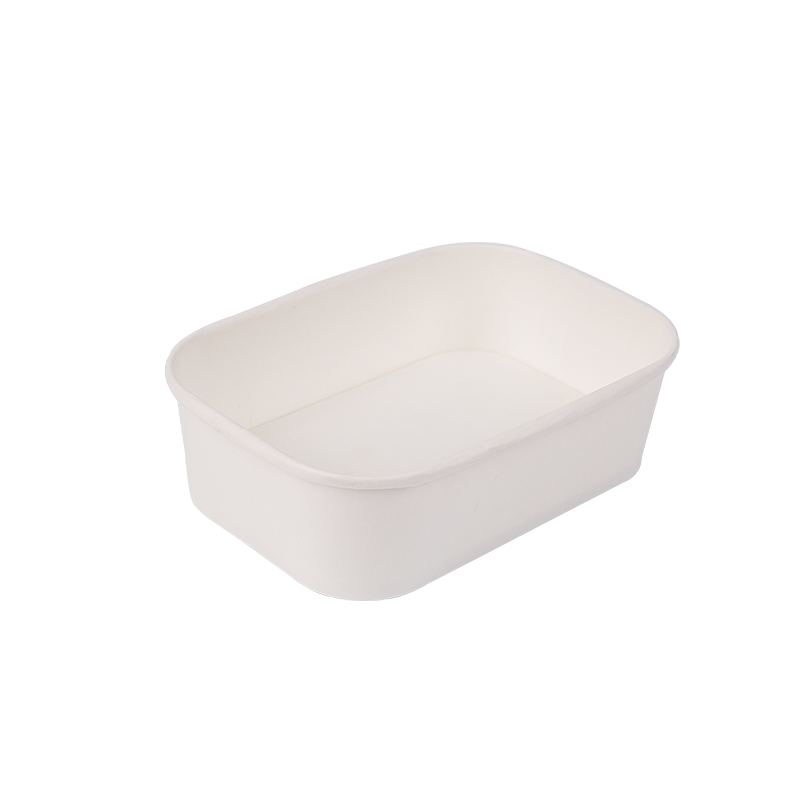
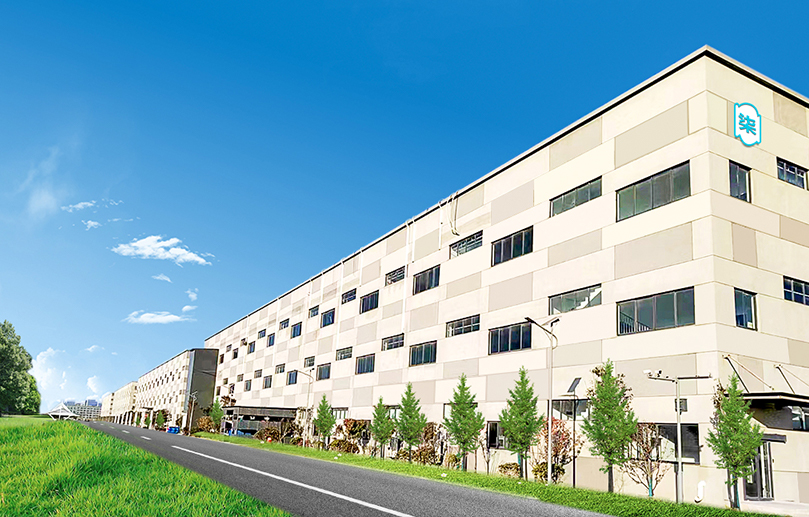
Jiangsu Marrot Biotechnology Co., Ltd. is professional China Disposable Biodegradable Paper Bowls Suppliers and Disposable Biodegradable Paper Bowls company, established in 2014 as a comprehensive packaging material service provider, specializing in mold development, design, production, and domestic and international trade and wholesale, export worldwide. Currently, our company operates in a 20,000-square-meter facility with a specialized production team of over 100 professionals. We possess over 80 pieces of equipment, including high-speed flexographic printers, high-speed die-cutting and punching machines, high-speed paper cup and bowl machines, and fully automated packaging machines. Our production workshop adheres to high cleanliness standards and is BRC-certified, ensuring food packaging safety.
Our company's product positioning is in the mid-to-high-end customizations for chain restaurants. With nearly a decade of dedicated efforts, we have gained the favor of numerous brands in channels such as Chinese cuisine, tea shops, coffee shops, and cinemas.
What Makes a Coffee Paper Cup Different From a Regular Paper Cup? Not all paper ...
View MoreThe Modern Engineering of a Paper Coffee Cup A standard paper coffee cup may loo...
View MoreWhy Disposable Straws Are Still Popular and How to Choose the Right One Disposab...
View MoreWhy Businesses Are Switching to Biodegradable Paper Boxes Biodegradable Paper Bo...
View MoreWhat Makes Biodegradable Paper Boxes a Smart Packaging Choice Biodegradable Pape...
View MoreThe Anatomy of a High-Performance Salad Paper Bowl A superior salad paper bowl i...
View MoreThe term “Disposable Biodegradable Paper Bowls” primarily refers to products made from paperboard that is lined with a biodegradable or compostable material instead of traditional polyethylene (PE) plastic. For the chains we serve, two main lining materials dominate the mid-to-high-end market: PLA (Polylactic Acid) and aqueous coatings. PLA is a bioplastic derived from renewable resources like corn starch or sugarcane. It provides excellent moisture and grease resistance, similar to PE, but requires specific industrial composting conditions (high heat and microbial activity) to break down fully. Aqueous coatings, on the other hand, are often water-based dispersion coatings. These coatings are incredibly thin and typically designed to be recyclable alongside the paper fiber in standard paper recycling streams, offering an advantage in regions where industrial composting facilities are scarce. For us at Jiangsu Marrot, selecting the correct material—whether it’s high-quality paperboard coupled with premium PLA or a next-generation aqueous coating—is the first step in ensuring the final product meets the specific environmental and performance goals of our chain restaurant partners. The material choice also dictates the necessary printing and die-cutting parameters we employ in our specialized BRC-certified facility.
Chain restaurants often demand packaging that can withstand challenging conditions, particularly heat and oil, without compromising structural integrity or food safety. When evaluating biodegradable paper bowls, performance metrics like heat tolerance and grease proofing are critical. PLA-lined bowls generally have a heat resistance limit of about to ( to ). Exceeding this temperature can cause the PLA lining to soften, potentially leading to delamination or leakage. Aqueous coatings can sometimes handle slightly higher temperatures, depending on their proprietary formulation, and are often preferred for very hot soups or stews. Grease-proofing is tested by filling the bowl with a standard high-fat food (like olive oil or a heavy sauce) for a set duration, typically 30 minutes, and checking for any penetration to the outside of the paperboard. Our decade of experience allows us to fine-tune the caliper (thickness) of the paperboard and the application rate of the lining to ensure maximum barrier protection against even the oiliest Chinese cuisine.
For mid-to-high-end customizations, the visual appeal and brand consistency delivered by printing are just as important as the functional performance of the Disposable Biodegradable Paper Bowls. We utilize high-speed flexographic printers, which offer several key advantages over offset printing for food contact materials. Flexography uses flexible relief plates and fast-drying, food-grade inks (often water-based).
The transition from a printed, flat sheet of paperboard to a perfectly formed bowl relies entirely on the precision of the die-cutting and forming process. Any imperfection in the die-cut blank will result in a poorly formed bowl with weak seams, which is a significant failure point for liquid containment. Our high-speed die-cutting and punching machines operate with extremely tight tolerances.
| Process Stage | Key Precision Focus | Risk of Failure if Tolerance is Poor |
|---|---|---|
| Die-Cutting | Angle and clean cut of the blank edge (especially the base/body joint) | Gaps in the bottom seam; uneven top rim. |
| Creasing/Scoring | Depth of the fold lines (creases) for the body | Paperboard fiber cracking during forming; inconsistent cup shape. |
| Forming/Seaming | Heat/pressure application on the side seam and bottom seal | Side-seam leak (often a wicking failure); bottom delamination/blowout. |
The consistent performance of our over 80 pieces of production equipment ensures that the forming process—where heat and pressure are applied to the lined paperboard—creates a strong, leak-proof weld. This level of quality control is non-negotiable for large volume, high-stakes environments like major chain restaurants.
For large chain operators, the end-of-life solution for their packaging has major logistical and public relations implications. Understanding the difference between compostable (PLA-lined) and recyclable (aqueous-coated) is crucial for their waste management strategy.
As a dedicated partner, we provide constructive insights on how our specific mid-to-high-end products align with your regional sustainability goals and provide the certifications needed to back up the claims.

Xiangshui Intelligent terminal Industrial Park No.7, Yancheng City, Jiangsu Province, China

+86-18550117282

marrot_jenny@163.com
Copyright © Jiangsu Marrot Biotechnology Co., Ltd. Rights Reserved. OEM/ODM Disposable Biodegradable Paper Bowls Suppliers



 English
 русский
 Español
 中文简体
中文简体